
Crafting the perfect identity for your subterranean dwellers requires a delicate balance of grit, humor, and phonetics that capture the essence of a mischievous species. When you are searching for memorable goblin names, you are essentially defining the personality, social standing, and potential temperament of a creature that exists on the fringes of civilization.
Whether these beings dwell in damp caves, bustling underground markets, or tangled forests, their designations often reflect the harshness of their environment or their penchant for chaos. By selecting identifiers that feel visceral and distinct, you provide players and readers with an immediate sense of immersion that grounds your worldbuilding in a tangible, believable reality.
Famous Goblin Names From Literature and Games
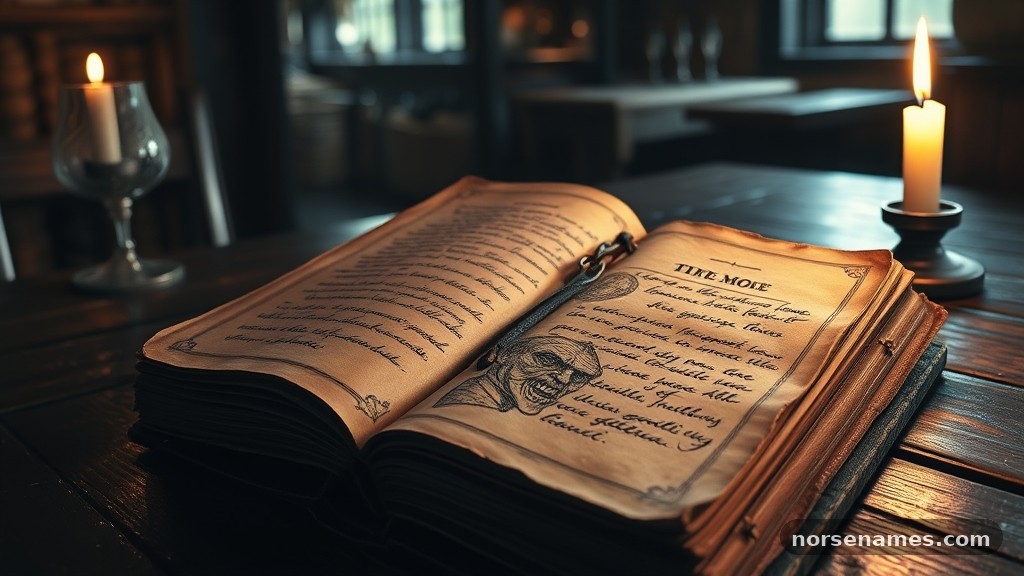
The landscape of fantasy fiction and tabletop gaming is littered with iconic figures who have shaped our collective perception of these creatures. Take, for instance, Grishnákh from the works of J.R.R. Tolkien, a name that sounds guttural, sharp, and inherently threatening, perfectly fitting a creature of the dark mountains.
In the realm of digital gaming, Gallywix stands as a titan of industry and greed, his name rolling off the tongue with a oily, mercantile quality that signals his status as a trade prince. These examples demonstrate that the best monikers often utilize harsh consonants and abrupt vowel sounds to emphasize a character’s role as either a lowly scavenger or a cunning mastermind. When you analyze these famous handles, notice how they avoid soft, melodic tones, opting instead for sounds that mimic the scratching of claws or the snapping of bone.
Cultural Naming Traditions and Social Structures
Goblins rarely possess the formal lineages of high-born elves or the sturdy, ancestral heritage of dwarves. Instead, their social structures often prioritize function, physical scars, or specific character flaws over family legacy. In many clans, a juvenile might be given a temporary identifier based on their first successful theft or a particularly messy accident.
As they mature, this label often sticks, evolving into a badge of honor or a cautionary tale. Some tribes even practice a form of name-stealing, where a creature assumes the title of a defeated rival to claim their strength.
This fluid approach to identity mirrors the chaotic nature of their communities, where hierarchy is determined by wit and raw survival skills rather than birthright. You might find that looking into the history of names and their linguistic roots provides a fascinating framework for how these creatures might adapt words from other languages to suit their own harsh, guttural dialects.
Short and Gritty Male Goblin Names
These identifiers are designed to be sharp, brief, and easily shouted across a chaotic battlefield or a crowded, dimly lit tavern. They rely on percussive sounds that feel immediate and aggressive.
| Name | Meaning or Vibe |
|---|---|
| Grit | Hardened by constant exposure to cave dust. |
| Kraz | A sound reminiscent of a cracking whip or bone. |
| Snag | Reflects a tendency to trap or steal small items. |
| Vex | Born from a life of causing minor, annoying trouble. |
| Zog | A classic, heavy sound associated with brute force. |
| Brak | Suggests a jagged, irregular physical appearance. |
| Drip | Commonly given to those living in the wettest tunnels. |
| Fret | For the nervous, twitchy scout of the raiding party. |
| Jib | Often used for those who talk too much or too fast. |
| Muck | A name for someone comfortable in the filth of the pits. |
Earthy and Sharp Female Goblin Names
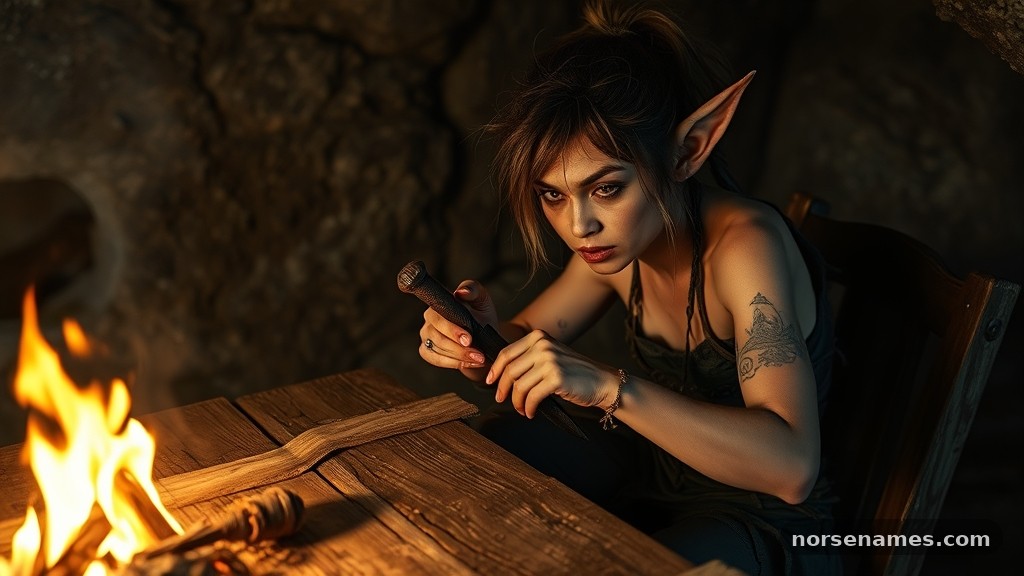
Female goblins in folklore and high fantasy are often portrayed as the cunning architects of the clan, possessing names that sound biting yet intelligent. These monikers avoid the flowery aesthetics of human names, favoring sounds that cut through the noise of a cavern.
- Vixx: A sharp, energetic name for a quick-witted scout.
- Skra: Mimics the harsh cry of a scavenger bird in the deep dark.
- Zel: Short, mysterious, and slightly sinister in its simplicity.
- Morg: Carries a weight of ancient, subterranean wisdom.
- Krit: Often assigned to those who oversee the weapons and traps.
- Blep: A playful, slightly ridiculous name for a mischievous trickster.
- Razz: Implies a sharp tongue and a penchant for caustic humor.
- Tox: Suggests a history of working with cave fungi and poisons.
- Glim: Often given to those who hunt for bioluminescent moss.
- Nip: Used for the smallest, fastest member of the raiding group.
Surnames and Clan Designations
In goblin society, a surname is rarely a family name in the traditional sense; rather, it is a descriptor of a deed, a physical trait, or a specific clan affiliation. These compound words serve as a shorthand for reputation, telling others exactly what to expect when they encounter a member of that group.
| Surname | Origin or Association |
|---|---|
| Stonebreaker | Known for mining prowess or brute strength. |
| Ironfist | A clan that values weapon forging and combat. |
| Dirtweaver | Those who excel at tunneling and camouflage. |
| Bonepicker | Scavengers who specialize in salvaging remains. |
| Ratcatcher | A group tasked with pest control in the city sewers. |
| Mossfoot | Tribes that dwell in the deep, damp forest floor. |
| Cinderbreath | Those who live near volcanic vents and heat sources. |
| Shadowstep | Assassins and scouts known for their stealth. |
| Mudwalker | A clan that thrives in swampy, low-lying marshes. |
| Skullcrush | A militant group with a reputation for extreme violence. |
Playful and Humorous Goblin Names
Goblins are notorious for their bizarre sense of humor, which often manifests in the names they give themselves or their peers. These are meant to be silly, ironic, or just plain weird, reflecting the absurdity of life in a goblin warren.
- Wobble: For the goblin who constantly trips over their own feet.
- Snot-nose: A derogatory label that became a badge of pride.
- Fumble: Given to an apprentice who breaks more tools than they fix.
- Giggler: For the one who laughs at the worst possible moments.
- Puddle: Someone who is surprisingly good at blending into wet surfaces.
- Twitch: A name for the scout who never stays still for a second.
- Burp: A classic, crude name for a rather unrefined clan member.
- Squish: Often used for the goblin who enjoys working with soft mud.
- Blink: For the one who seems to disappear whenever work starts.
- Dangle: A name for a goblin who loves climbing and hanging from ropes.
Ancient and Mystical Goblin Titles
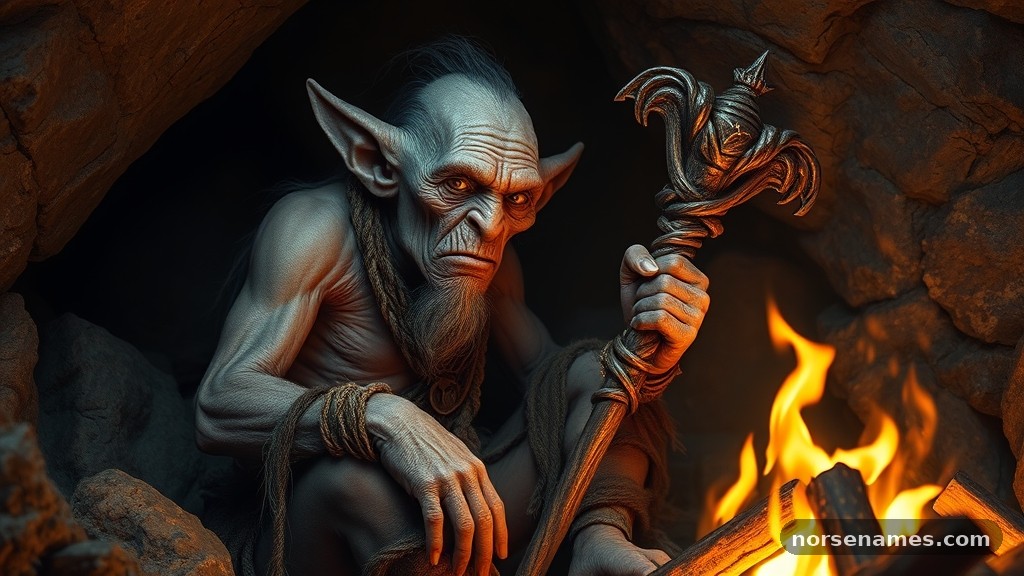
Sometimes, a goblin rises to a position of shamanistic power, requiring a name that carries a sense of age and arcane weight. These titles often borrow from the echoes of forgotten languages or the sounds of the elements themselves, separating them from the common laborers of the clan.
| Title | Context of Power |
|---|---|
| Xul-Gath | A name whispered in fear by rival warbands. |
| Vrak-Thul | The designation of a keeper of ancient cave lore. |
| Zor-Kahn | A leader who claims descent from old mountain kings. |
| Morg-Ash | A shaman who draws power from the geothermal heat. |
| Kraz-Uul | An elder who has survived countless skirmishes. |
| Drak-Zul | A warlord who commands the loyalty of many clans. |
| Skar-Nath | A mystic who reads the patterns in shifting cave walls. |
| Gorth-Rul | A title for the one who interprets the will of the deep. |
| Thrak-Voz | A master of poisons and alchemical concoctions. |
| Zul-Pek | A seer who predicts the movements of the surface dwellers. |
Names Inspired by Nature and Environments
Because goblins are deeply connected to their specific biomes, their names often reflect the geography of their homes. From the sharp jagged peaks of high mountains to the rotting, nutrient-rich soil of the wetlands, the environment plays a huge role in how they perceive themselves.
- Crag: A solid, unmovable name for a mountain-dwelling guard.
- Fen: For those living in the murky, stagnant waters of a bog.
- Root: Someone who spends their time digging through forest debris.
- Spore: A name common among tribes that cultivate cave fungi.
- Slate: Often given to those who work the stone quarries.
- Thorn: A prickly, dangerous name for a forest-dwelling scout.
- Mist: For the elusive goblin who hides in the damp morning air.
- Cave-Echo: A poetic name for a herald or a storyteller.
- Bramble: Someone who is notoriously difficult to catch or hold.
- Dust: A name for the scavenger who works in the dry, abandoned ruins.
The Role of Linguistics in Goblin Nomenclature
When building a world, the linguistics of your species should feel consistent. If your goblins have a harsh, guttural language, their names should reflect that through the use of plosive consonants like K, G, T, and D. Avoid long, flowing vowels or soft sounds like S, L, or M, which are more common in elven or human naming conventions.
By establishing a set of phonological rules, you can create an infinite number of unique goblin names that all sound like they belong to the same culture. Consider how their names might change when they are spoken by others; perhaps an outsider finds their names unpronounceable and gives them a derogatory nickname instead, which the goblin eventually adopts out of ironic spite.
| Phonetic Sound | Why it works for Goblins |
|---|---|
| K- sounds | Sharp, aggressive, and easily articulated in a growl. |
| G- sounds | Heavy, deep, and resonates with a guttural quality. |
| T- sounds | Percussive, sounding like a snap or a strike. |
| R- sounds | Provides a rough, growling texture to the name. |
| Z- sounds | Adds a buzzing, insect-like quality to the speech. |
| X- sounds | Uncommon and harsh, creating a sense of alien origin. |
| D- sounds | Suggests a blunt, forceful impact or weight. |
| B- sounds | Deep and resonant, good for larger or older goblins. |
| P- sounds | Pop-like and sharp, good for fast, smaller creatures. |
| U- sounds | Deep and vowel-heavy, often used in shamanic titles. |
Frequently Asked Questions about Goblin Names
What is the best way to choose a goblin name for a D&D character?
The best approach is to focus on a single defining trait or a specific sound that represents your character’s personality. If your character is a thief, a name like Snatch or Pocket feels appropriate, while a warrior might benefit from a harder, more aggressive sound like Krog or Grak. Don’t be afraid to experiment with sounds that feel slightly off-putting or harsh to the ears, as this is a hallmark of the species.
Can a goblin have a surname or a family name?
While traditional family lineages are rare, goblins often use descriptive surnames that indicate their clan, their job, or a notable accomplishment. These names are fluid and can change over time based on the individual’s life path, making them more like titles than hereditary markers. Using a compound word like Stone-Chewer or Rat-Stalker provides a great way to flesh out their background.
Are there cultural differences in naming across different goblin tribes?
Absolutely, because geography dictates so much of a goblin’s life. A tribe living in a volcanic region might favor fire-related names like Cinder or Ash, while a tribe in a temperate forest might lean toward names inspired by plants and animals. Aligning your naming conventions with the specific environment your tribe calls home adds a layer of depth that makes your world feel truly lived-in and cohesive.
How do I make a goblin name sound unique but still recognizable?
Focus on the rhythm of the name rather than just the letters. A two-syllable name with a heavy emphasis on the first syllable often sounds very goblin-like. You can also add a prefix or suffix that is common within your specific tribe, such as using -ak or -uz at the end of many names, to create a sense of linguistic consistency that makes the group feel like a real society.
Conclusion
Naming your creatures is one of the most effective ways to establish the tone and texture of your fantasy world. By choosing names that resonate with the harsh, chaotic, and often humorous nature of these beings, you invite your audience to see them as more than just generic cannon fodder. Remember that a name is a story in itself, a tiny window into the history and environment of the person who bears it.
As you continue to develop your setting, let these naming conventions guide your creative process, ensuring that every creature feels like a natural part of their world. Whether you are writing a novel, running a tabletop campaign, or simply exploring the depths of your imagination, the right designation can breathe life into even the smallest, most overlooked inhabitant of your dark and wonderful caverns. Keep experimenting with the sounds of your world, and don’t be afraid to let your characters redefine themselves as their stories unfold.