
Crafting a narrative set in a desert kingdom requires more than just shifting sands and towering monuments; it demands a linguistic foundation that resonates with the weight of history. Selecting appropriate ancient egyptian names for your characters or cities provides an immediate anchor for your readers, grounding them in a world where gods and mortals share the same breath.
Whether you are building a tabletop campaign or writing a sprawling epic, understanding the phonetics and cultural nuances behind these designations transforms a simple label into a piece of living, breathing lore. By carefully choosing monikers that reflect the values and deities of your fictional society, you create a sense of authenticity that makes your world feel truly lived-in.
The significance of these identifiers extends far beyond mere identification, as they often served as prayers or protective charms in the eyes of ancient egyptians. A name was an extension of the soul, a vital component of a person’s existence that could influence their fate or grant them favor with the divine.
When you integrate these concepts into your own creative projects, you are not just naming characters; you are weaving a tapestry of belief and tradition. Exploring the depths of these linguistic treasures will provide you with the tools needed to craft names that feel ancient, powerful, and deeply connected to the mythic landscapes of your imagination.
Famous Ancient Egyptian Names From Literature and Games
Iconic figures from historical fiction and interactive media often borrow from the real annals of the Nile to establish instant credibility. Take, for instance, the legendary Ramesses, a name synonymous with power, longevity, and the absolute authority of a pharaoh.
In fantasy settings, characters bearing this name are almost always portrayed as architects of empires or stern, uncompromising rulers who view themselves as conduits for the divine. The name itself carries the literal meaning of being born of the sun god Ra, which instantly communicates the character’s perceived celestial pedigree to the audience without requiring a lengthy exposition.
Nefertari stands as another titan of nomenclature, often associated with beauty, grace, and the quiet strength of a queen who wields influence from the shadows of the throne. Writers frequently use this name to denote characters who possess sharp political acumen or a deep, almost magical, connection to the spiritual realms of their world.
When a protagonist or antagonist is introduced as Nefertari, the reader immediately expects a level of sophistication and complexity. These names act as shorthand for character archetypes, allowing you to establish a baseline for your audience’s expectations before a single action is taken.
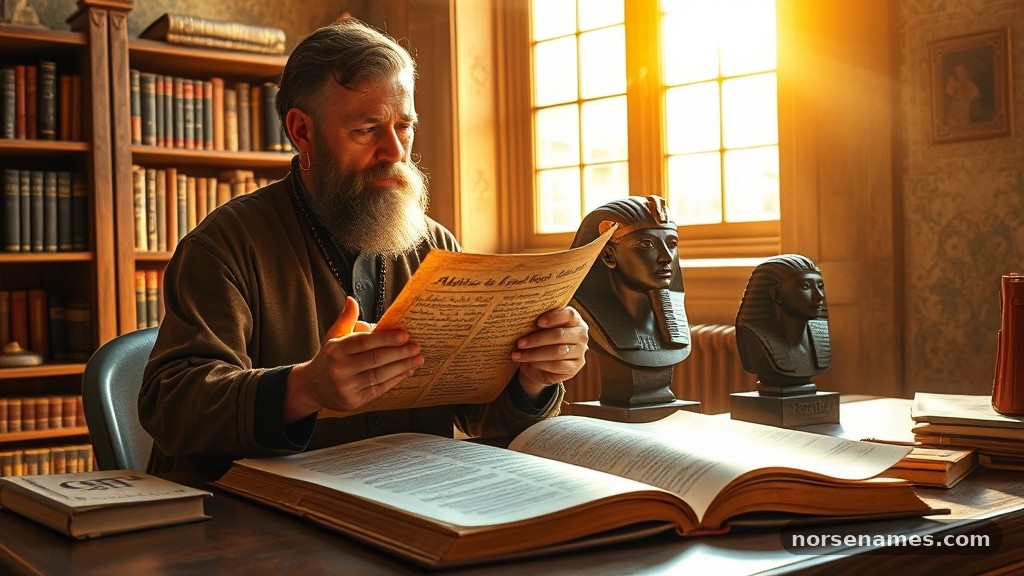
Khaemwaset is a fascinating example of a name that bridges the gap between historical figure and legendary sage. Known in our world as a son of a great king who focused on the preservation of ancient texts, this name is a perfect fit for a character who acts as a librarian, scholar, or mystic.
If you name a character Khaemwaset, you are signaling that they are a keeper of secrets, someone who values the wisdom of the past over the transient power of the present. Using these established naming conventions helps you lean into the familiar tropes of the genre while providing enough room to innovate and create entirely unique figures.
Cultural Naming Traditions and Social Structures
In the vibrant tapestry of a desert civilization, a person’s name was rarely a matter of coincidence or aesthetic preference. It was often a reflection of their social standing, their familial legacy, and their relationship with the local city gods. Commoners frequently carried names that described their humble roles, such as those related to the harvest, the river, or the daily labor of the land.
These names anchored the individual to their town and their community, reinforcing the idea that everyone had a specific, divinely ordained purpose within the wider world. You can find deep insights into the historical reality of these naming conventions by visiting the Metropolitan Museum of Art’s guide to ancient Egyptian civilization, which contextualizes how social hierarchy shaped every aspect of life.
The naming process was also heavily influenced by the gendered expectations of the time and the protective nature of parental hope. It was common for parents to gift their offspring names that invoked the protection of a specific goddess or god, effectively placing the child under the watchful eye of a celestial guardian from birth. This practice meant that a single name could function as a lifelong amulet, a vocalized prayer that shielded the wearer from misfortune.
As a worldbuilder, you should consider how the gods in your own setting might influence the names of the common folk versus the nobility. Does a merchant name their child after the god of commerce, or do they prefer a name that honors the fertility of the soil?
Male Names Inspired by the Nile
When selecting names for male characters, think about the masculine ideals of the era, which often centered on strength, endurance, and divine service. These names should feel sturdy and grounded, echoing the stone of the monuments and the flow of the great river.
| Name | Meaning/Connotation | Archetype |
|---|---|---|
| Amenemhat | Amun is at the front | Noble Leader |
| Thutmose | Born of Thoth | Wise Scholar |
| Seti | Of the god Seth | Fierce Warrior |
| Horemheb | Horus is in festival | Celebrated General |
| Akhenaten | Effective for the Aten | Zealous Reformer |
Female Names of Grace and Power
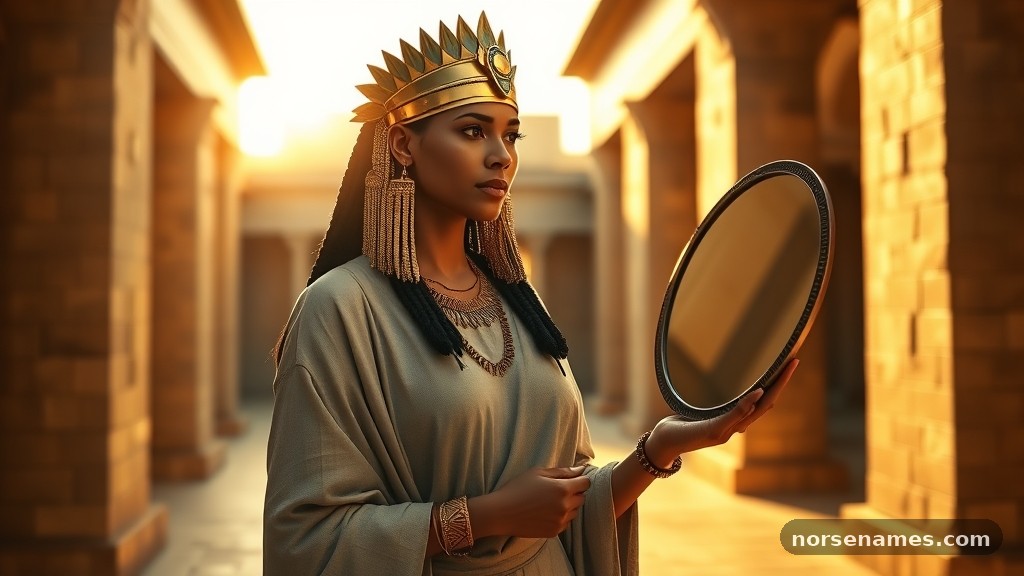
Female names in this cultural tradition often evoke natural beauty, celestial movements, and the nurturing aspects of the divine feminine. These names should sound melodic yet possess a hidden edge of resilience, reflecting the multifaceted roles women played in both domestic and public life.
Aset, which is the original form of Isis, represents the ultimate mother figure and the seat of power, making it a perfect choice for a matriarch or a high priestess in your fantasy world.
Meritaten, meaning beloved of the sun disk, carries a sense of warmth and devotion, ideal for a character who serves as a bridge between the ruling class and the common people.
Sitamun, or daughter of the hidden one, implies a mysterious heritage and a connection to the unseen forces that govern the world, suitable for a rogue or a spy.
Nebet-het, the mistress of the house, suggests a character who manages the affairs of a great estate or a guild, holding power through organization and influence.
Kiya, a name that feels sharp
Kiya, a name that feels sharp and modern, is excellent for a character who is an outsider or someone who has risen from obscurity to challenge the status quo.
Naming Conventions for the Common Folk
In the bustling markets and quiet villages, names were less about divine grandeur and more about the practical realities of daily existence. These names were often simple, descriptive, and deeply personal, reflecting the closeness of the family unit.
* Pahery: One who is of the sycamore tree.
* Ipi: A short, affectionate nickname for a child.
* Bek: A servant or worker, often used to signify humility.
* Sennu: A brother or a companion, emphasizing social ties.
* Mery: The beloved, a common term of endearment.
* User: Strong or powerful, a common trait desired for laborers.
* Anen: A quiet or silent one, perhaps a watcher.
* Hori: One who belongs to the falcon god Horus.
The Influence of Deities on Personal Nomenclature
The gods were the primary architects of the naming landscape, as almost every name was a subtle invocation of a divine power. By incorporating the name of a deity into a person’s given name, the parents were ensuring that the god would always be present in the individual’s life. This creates a fascinating opportunity for worldbuilders to map out their own pantheon.
If your world has a god of storms, how do the people name their children to appease or honor that entity? Do they use the god’s name directly, or do they use epithets that describe the god’s domain?
When you create a name like Amun-her-khepeshef, you are signaling a deep, complex relationship with the divine. It implies that the person is under the physical protection of the hidden god, carrying the god’s strength like a weapon. This level of detail adds a layer of depth to your world that readers will appreciate, as it suggests that your fantasy religion is not just a backdrop, but a living force that dictates the rhythm of daily interactions.
While the ancient world did not utilize surnames in the modern sense, you can adapt the concept by using epithets or descriptors that define a family’s trade or ancestral home. These compound names add a sense of history and legacy to your characters, making them feel like part of a larger, interconnected web of clans.
Stonebreaker is a name that would fit a family of master builders or quarry workers who have shaped the landscape for generations, their hands permanently calloused by the labor of constructing monuments.
Riverwalker implies a family of navigators or merchants who understand the shifting moods of the water, acting as the lifeblood of trade between distant city-states.
Sunseeker suggests a lineage of priests
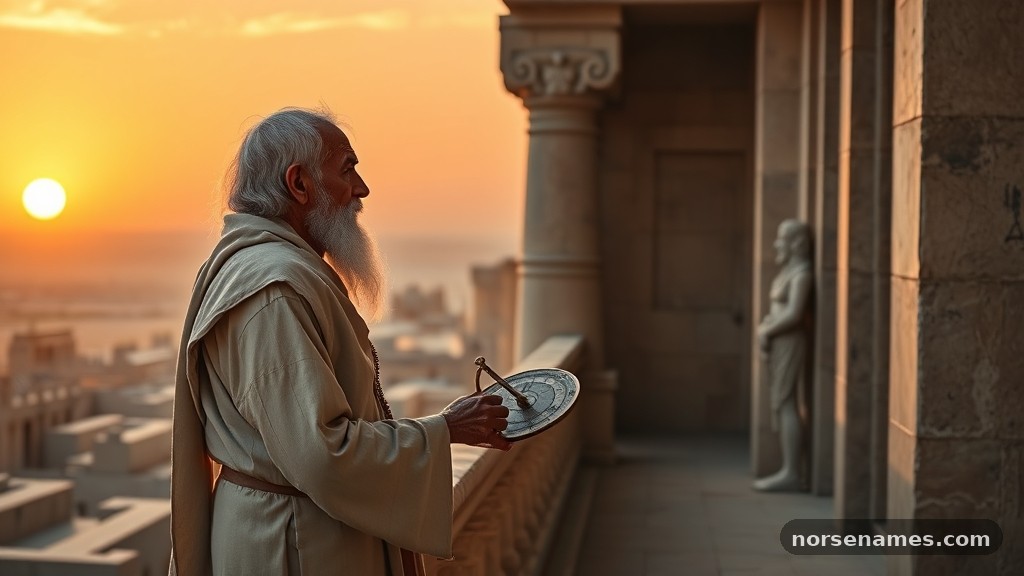
Sunseeker suggests a lineage of priests or astronomers who track the movement of the heavens, constantly looking toward the horizon for signs of divine favor or impending change.
Goldtongue is a fitting moniker for a family of diplomats or merchants, known for their ability to persuade, negotiate, and extract wealth from even the most difficult of situations.
Sandstrider denotes a clan of scouts or nomads who know the secrets of the desert, able to navigate the trackless dunes where others would surely lose their way.
Regional Variations in City Nomenclature
Just as dialects change from one region to another, the naming styles in different cities could reflect local geography and trade specialties. A city located near the mouth of the river might favor names associated with the sea and foreign lands, while a city nestled deep in the desert would likely prioritize names linked to oases, endurance, and the stars. When worldbuilding, consider the cultural identity of each city and how that might influence the naming trends of its inhabitants.
A city of scholars, for example, might have citizens with names that sound rhythmic and poetic, reflecting a culture that prizes literature and history. Conversely, a garrison city might produce names that are short, sharp, and utilitarian, mirroring the discipline and military focus of the residents. By varying these conventions, you prevent your world from feeling like a monolith and instead showcase a diverse, interconnected civilization that has adapted to its unique environment.
The Importance of Phonetics in Fantasy Names
The sound of a name is just as important as its meaning, as it sets the tone for how that character is perceived by the reader. Ancient egyptian names often feature a specific cadence, with long vowels and soft consonants that mimic the sound of the wind moving over the dunes.
When creating your own names, try to maintain a consistent phonetic style that aligns with the atmosphere of your setting. If you want your world to feel harsh and unforgiving, use harder consonants and shorter, clipped syllables.
If you want your world to feel mystical and ancient, lean into longer, flowing names that sound almost like an incantation. The goal is to create a sense of cohesion so that when a reader sees a list of names, they immediately understand that these characters belong to the same world. Do not be afraid to experiment with the structure of your names, but always ensure that they are readable and possess a distinct personality that makes them memorable long after the book is closed.
Frequently Asked Questions about Ancient Egyptian Names
What were some of the most common naming themes in this culture?
Most names were constructed as short sentences or phrases that functioned as prayers. Common themes included dedicating a child to a specific deity, expressing a hope for the child’s future, or describing a desirable attribute like strength or beauty.
Are there distinct differences between male and female naming patterns?
Yes, male names often emphasized strength, leadership, and service to the pharaoh or a god, while female names frequently focused on beauty, fertility, and the nurturing aspects of goddesses. However, there was significant overlap, as both genders could be named after the same powerful deities.
How can a writer create an original name that sounds authentic?
The best approach is to combine a divine name or a noun with a verb or a descriptor. For example, taking a name like Ra and adding a suffix that implies protection or love creates a name that sounds both unique and historically grounded.
Did common people use the same names as the nobility?
While the elite often had more complex, multi-part names that emphasized their lineage and titles, many of the core elements were shared across social classes. A commoner might have a simpler version of a name that a noble would use in its entirety.
Is it appropriate to use these names in a fantasy setting?
Absolutely, as these names provide a rich, evocative source of inspiration for any worldbuilder. The key is to treat the source material with respect and to use it as a foundation for your own creative work rather than just copying it wholesale.
Final Reflections on Naming and Worldbuilding
The act of naming is one of the most powerful tools in a writer’s arsenal, allowing you to breathe life into your characters and establish the cultural bedrock of your fictional world. By drawing inspiration from the timeless tradition of ancient egyptian names, you tap into a legacy of meaning and mythology that can elevate your narrative from a simple story to an immersive experience. Whether you choose to adapt historical figures or craft entirely new identities, remember that every name is a story waiting to be told, a small piece of the grand puzzle that makes your world feel real.
As you continue to develop your characters and cities, keep these naming principles in mind as a guide to creating a cohesive, vibrant setting. Let the rhythm of the language and the weight of the history inform your choices, and do not hesitate to experiment with the sounds and meanings that resonate most with your vision.
Your world is waiting to be named, and each choice you make is a step toward building a landscape that will captivate your readers and leave them lingering in your desert long after the final page is turned. Continue to explore, create, and find the perfect labels for the heroes and legends of your own making.