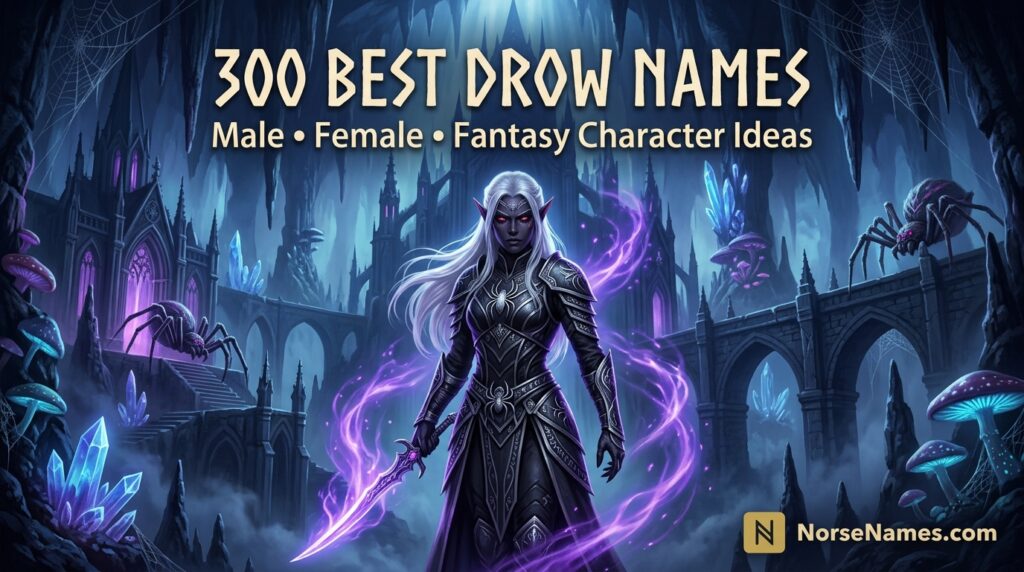

Selecting the perfect moniker for a subterranean exile or a ruthless matron requires an ear for the sharp, sibilant sounds that define dark elven culture. Incorporating authentic 300 drow names into your creative projects adds immediate depth to your worldbuilding, providing a linguistic foundation that resonates with the harsh, unforgiving environment of the Underdark.
Whether you are crafting a player character for a tabletop campaign or fleshing out a complex society for a novel, the right name serves as a vital bridge between your audience and the shadowy lore you have constructed. Exploring these traditional patterns allows you to evoke the ancient, sinister history of the drow with every spoken syllable.
Famous Drow Names From Literature and Games
Drizzt Do’Urden stands as perhaps the most recognizable figure in fantasy literature, representing the rare archetype of the drow who rejects his culture’s cruelty. His name, characterized by the sharp, phonetic “zz” sound common in his homeland, highlights the linguistic contrast between the surface world and the dark, cavernous depths of his origin. This name has become a touchstone for writers, illustrating how a single moniker can carry the weight of a complex backstory involving exile, redemption, and profound internal conflict.
Viconia DeVir serves as another significant example, particularly for those familiar with classic roleplaying games. Her name follows the traditional, harsh structure that helps establish a character’s alignment and social standing immediately. By analyzing how these established figures utilize specific phonetic structures, you can better understand why certain patterns feel more “authentic” when you are building your own cast of characters.
These iconic figures demonstrate that a well-chosen name is rarely just a label; it is a narrative tool that signals origin, status, and intent before a character even utters a word of dialogue. You can find more information on the history of these cultural archetypes at the official Dungeons & Dragons resource page.
Male Drow Names: The Warriors
These names reflect the aggression and martial discipline required for survival in a society where strength dictates one’s lifespan. They often feature hard consonants and abrupt endings, projecting an aura of danger and readiness for combat.
| Name | Name | Name | Name | Name |
|---|---|---|---|---|
| Krav | Zhor | Thrax | Vorn | Drax |
| Malik | Grez | Kroz | Jorv | Xar |
| Durn | Rax | Vek | Torz | Krev |
| Zark | Morn | Blath | Skar | Vroz |
| Krell | Gorn | Throk | Jark | Xev |
| Droz | Rekk | Vok | Tark | Kraz |
| Zorn | Makk | Bleth | Skor | Vrez |
| Kroll | Genn | Thrak | Jork | Xov |
| Draz | Rikk | Vuk | Tirk | Kruz |
| Zern | Mikk | Blith | Skur | Vriz |
Female Drow Names: The Matrons
Matriarchal power defines the structure of drow society, and these names reflect a blend of elegance and lethal intent. They often utilize softer, trailing vowels or sibilant “s” and “sh” sounds to convey a sense of hidden, creeping influence.
| Name | Name | Name | Name | Name |
|---|---|---|---|---|
| Lyss | Vea | Shara | Myra | Zyla |
| Nyx | Illa | Sola | Vira | Kyla |
| Tess | Olla | Shira | Mora | Zala |
| Ryss | Ulla | Sela | Vara | Kala |
| Pyss | Alla | Shuna | Mira | Zela |
| Fyss | Ella | Suna | Vera | Kela |
| Byss | Izra | Shana | Mura | Zila |
| Jyss | Ozra | Sana | Vora | Kila |
| Kyss | Uzra | Shini | Miri | Zoli |
| Hyss | Azra | Soni | Viri | Koli |
Traditional Clan and House Names
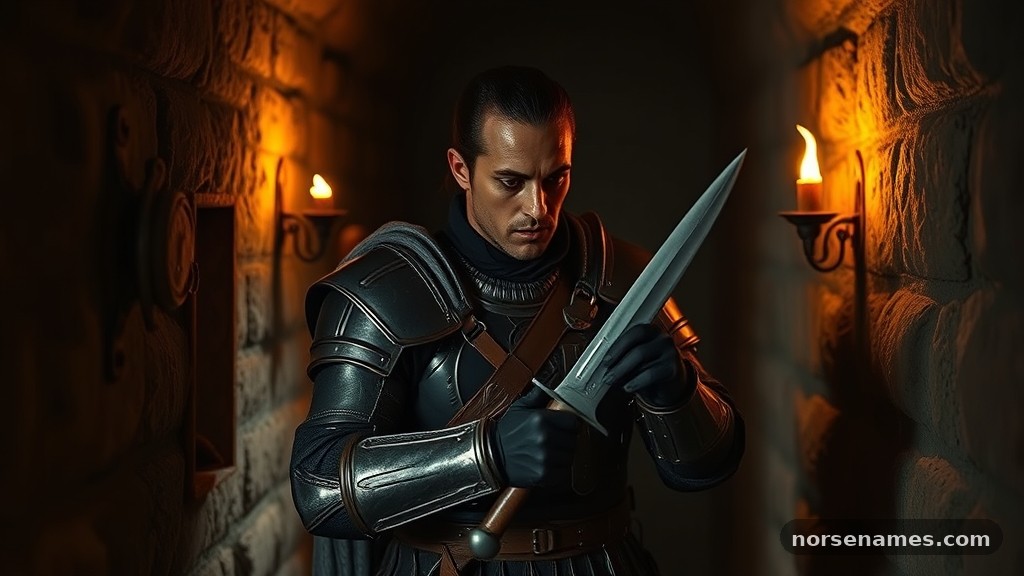
In a culture defined by house politics and internal strife, your clan name is your primary identity. These names often combine two distinct, harsh concepts to create a compound descriptor that serves as a warning to rivals.
| Name | Name | Name | Name | Name |
|---|---|---|---|---|
| Shadowbane | Darkforge | Nightshade | Bloodiron | Doomweaver |
| Soulrender | Voidwalker | Grimcrest | Frostheart | Stormcaller |
| Mistrunner | Spireguard | Stonebreaker | Ironfist | Skullcrusher |
| Blackspire | Deepwatcher | Goldseeker | Firebrand | Witchbane |
| Ghostblade | Cavewalker | Moonhider | Starfall | Sunslayer |
| Earthshaker | Riftborn | Voidcaller | Deathdealer | Shadowstep |
| Nightstalker | Bloodspire | Frostfang | Grimlock | Stormhider |
| Mistweaver | Spireborn | Stonecrusher | Ironheart | Skullbreaker |
| Blackhand | Deepseeker | Goldfall | Firestorm | Witchfire |
| Ghosthider | Caverunner | Moonfall | Starseeker | Suncaller |
Common Male Drow Names
These names are frequently heard in the bustling, treacherous streets of drow cities. They are functional, sharp, and designed for quick communication during the chaos of a skirmish or the quiet tension of an assassination.
| Name | Name | Name | Name | Name |
|---|---|---|---|---|
| Bael | Drin | Kael | Renn | Tael |
| Cael | Eren | Lael | Senn | Vael |
| Dael | Fren | Mael | Tenn | Wael |
| Gael | Gren | Nael | Venn | Xael |
| Hael | Hren | Oael | Zenn | Yael |
| Jael | Jren | Pael | Kenn | Zael |
| Kaelen | Kren | Qael | Lenn | Ael |
| Maelen | Lren | Raelen | Menn | Bel |
| Naelen | Mren | Saelen | Nenn | Cel |
| Oaelen | Nren | Taelen | Oenn | Del |
Common Female Drow Names
Often favored by commoners and mid-tier merchants, these names carry a sense of tradition without the overt aggression of the noble houses. They are balanced and melodic, reflecting the subtle social hierarchies found within the city.
| Name | Name | Name | Name | Name |
|---|---|---|---|---|
| Aria | Dria | Iria | Oria | Uria |
| Bria | Eria | Jria | Pria | Vria |
| Cria | Fria | Kria | Qria | Wria |
| Dria | Gria | Lria | Rria | Xria |
| Eria | Hria | Mria | Sria | Yria |
| Fria | Iria | Nria | Tria | Zria |
| Gria | Jria | Oria | Uria | Aria |
| Hria | Kria | Pria | Vria | Bria |
| Iria | Lria | Qria | Wria | Cria |
| Jria | Mria | Rria | Xria | Dria |
Unique and Arcane Titles
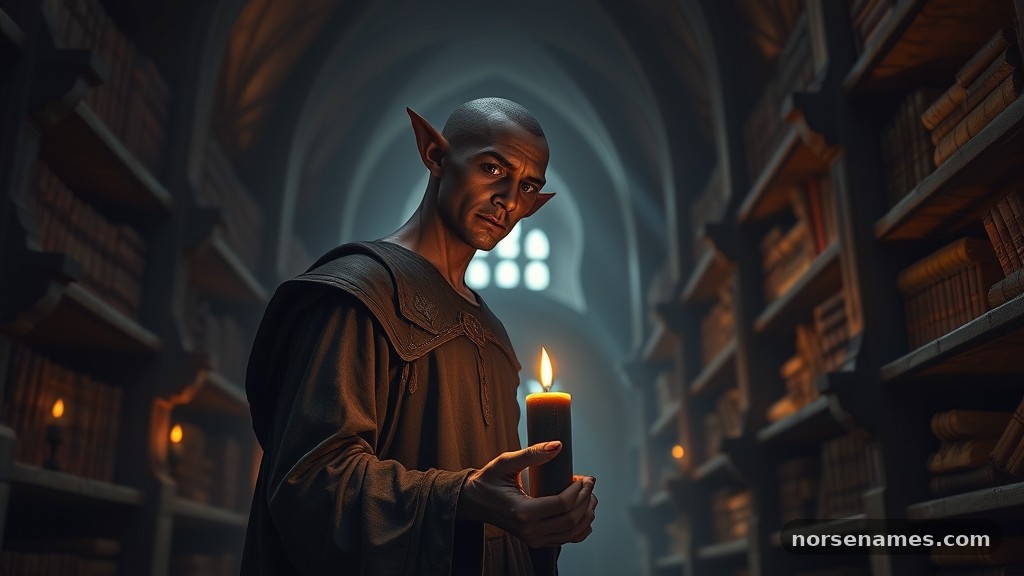
For those practicing the dark arts or seeking power beyond the standard hierarchy, these names lean into the mystical and the forbidden. They sound ancient and evoke the power of forgotten gods or abyssal pacts.
| Name | Name | Name | Name | Name |
|---|---|---|---|---|
| Xul | Vax | Zor | Keth | Drun |
| Yul | Wax | Tor | Leth | Erun |
| Zul | Yax | Uor | Meth | Frun |
| Aul | Zax | Vor | Neth | Grun |
| Bul | Aux | Wor | Peth | Hrun |
| Cul | Bux | Xor | Qeth | Irun |
| Dul | Cux | Yor | Reth | Jrun |
| Eul | Dux | Zor | Seth | Krun |
| Ful | Eux | Aur | Teth | Lrun |
| Gul | Fux | Bur | Ueth | Mrun |
Cultural Naming Traditions
Drow culture places immense importance on lineage and the specific house one belongs to. A child is rarely given a name that does not immediately signal their station, as social mobility is almost non-existent for the lower classes.
Noble houses often recycle names from their ancestors to maintain a sense of continuity and prestige, effectively turning personal names into symbols of institutional power. This creates a fascinating dynamic where a person is defined more by their ancestry than by their individual achievements.
Occupational naming is also common, though it is usually reserved for the working class who have no noble blood to boast of. A drow who excels at alchemy might find their name subtly changed or appended with a suffix that denotes their craft.
This provides a clear, visible social ladder where one’s function in society is etched into their identity. Understanding this nuance allows writers to create characters who feel like they truly belong within the rigid, suffocating structure of a drow city, rather than appearing as outsiders in their own homes.
The Link Between Occupation and Nomenclature
In the dark, sprawling cities of the Underdark, how a drow is addressed often depends on their current utility to the ruling matrons. A warrior might be referred to by a shortened, brutal version of their name during a campaign, while a priestess of a dark deity would maintain a long, flowing, and complex title to emphasize her spiritual authority. This linguistic flexibility is a hallmark of drow society, where the ability to adapt one’s identity to the situation is a necessary skill for survival.
Furthermore, the language itself—often referred to as Undercommon or the Drow tongue—is designed to be whispered. Many names feature long strings of consonants that require a specific, almost snake-like hiss to pronounce correctly.
This serves a dual purpose: it keeps their conversations private from outsiders and reinforces the predatory nature of their culture. When developing your own characters, consider how their name sounds when whispered in a dark corridor versus when shouted in the heat of a battle; a name that works in both contexts is a sign of a well-conceived character.
Frequently Asked Questions about Drow Names
How do I determine if a drow name is suitable for a noble?
Noble names in drow society are traditionally long, complex, and often derived from ancient, high-status lineages. They frequently feature multiple syllables and hard, authoritative consonants that command respect. If a name feels too simple or common, it likely belongs to a worker or a low-ranking soldier rather than a high-born matron or house leader.
Are there specific naming conventions for male and female drow?
Yes, the society is strictly matriarchal, which is reflected in their naming conventions. Female names often lean toward the melodic and sibilant, emphasizing grace and hidden power, while male names are generally shorter, sharper, and more aggressive. This reflects the reality that while males occupy positions of strength, the ultimate authority resides with the females.
Can I use surnames for my drow characters?
Absolutely, though they are usually referred to as house names rather than surnames. A drow’s house name is their most important identifier, as it dictates their standing, their resources, and their enemies. Most drow will introduce themselves with their house name first, as it provides the necessary context for their place in the rigid societal hierarchy.
What if I want a drow name that sounds unique?
To create a unique name, try combining the phonetic elements of the provided lists with an emphasis on your character’s personality or primary trait. For example, if your character is a shadowy assassin, you might blend a soft, sibilant sound for their stealth with a harsh, abrupt ending to signify their lethality. Experimenting with these combinations allows you to craft a name that feels distinct while remaining grounded in the lore.
Conclusion
The process of crafting an identity within the shadows of the Underdark is a deeply rewarding exercise for any creator. By utilizing these 300 drow names, you gain access to a rich tapestry of phonetic history that helps ground your world in a believable, ancient tradition. Whether you are focusing on the sharp, martial tone of a warrior or the elegant, dangerous whisper of a noble, the names provided here offer a starting point for your own narrative exploration.
Remember that the best names are those that feel like they have been forged in the crucible of their environment, carrying the weight of their culture with every mention. As you continue to build your fantasy setting, let these linguistic cues guide your storytelling and bring your characters to life in the eyes of your readers.