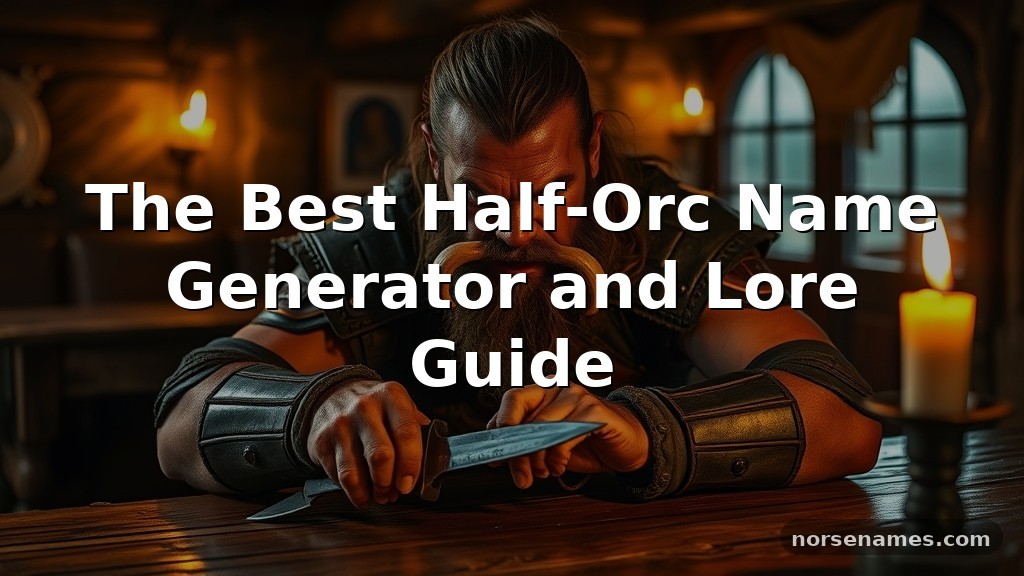

Finding the perfect moniker for a character often defines their journey before they even step into a tavern or draw a blade. Using a reliable half-orc name generator helps bridge the gap between their dual heritage, capturing the raw, guttural influence of their orcish ancestry alongside the more fluid, adaptable nature of their human lineage.
Whether you are building a protagonist for a high-stakes campaign or fleshing out a background NPC, selecting a name that resonates with the harsh realities of their existence is essential. This collection of names and cultural insights aims to provide the inspiration you need to bring your unique half-orc characters to life in any tabletop setting.
Famous half orc name generator Names From Literature and Games
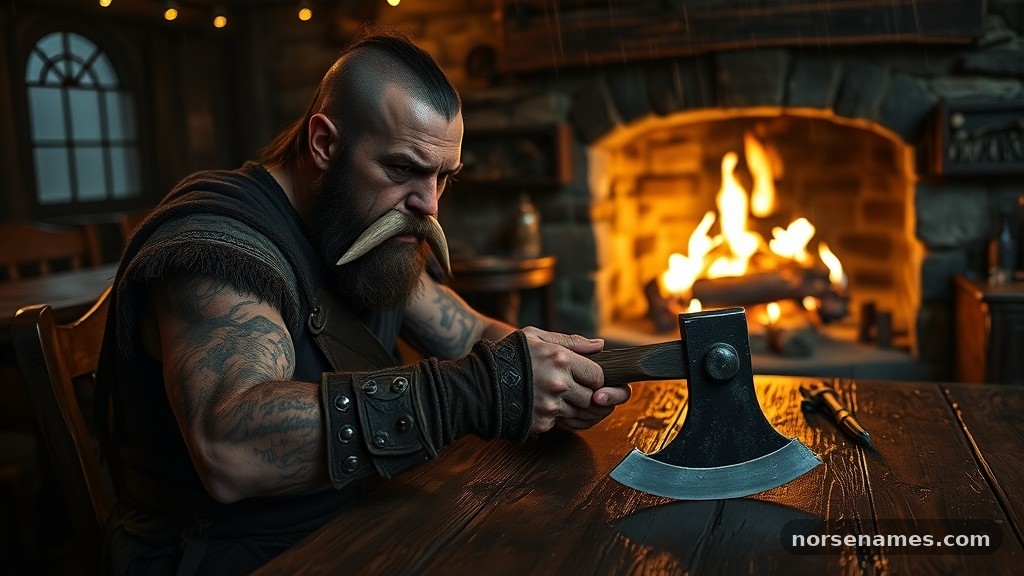
The cultural impact of these hybrid warriors is best observed through iconic characters who have left their mark on tabletop history. These individuals demonstrate how a name reflects identity, struggle, and the constant navigation between two conflicting cultures. Consider the weight carried by names like Bruenor Battlehammer’s allies or the fierce warriors found in the annals of Dungeons & Dragons lore.
When you look at characters like Brottor or Ghorza, you see a specific linguistic pattern. These names often rely on hard consonants and guttural sounds that evoke the brutal terrain where orcish tribes typically reside. A name like Keth, for instance, is short, sharp, and leaves little room for ambiguity, perfectly capturing the directness of a fighter who prefers action over flowery diplomacy.
Conversely, names that lean into the human side of their heritage might incorporate softer vowels or more rhythmic structures, hinting at a character who has spent significant time in human cities. By examining these famous examples, you gain a better understanding of how to craft a moniker that tells a story of survival, heritage, and identity.
Cultural Roots of Half-Orc Naming
Half-orcs exist in a liminal space, often finding themselves rejected by the orcish clans of their birth and viewed with suspicion by the human societies they seek to join. This social isolation influences how they receive their names.
Many receive their birth names within the tribe, which are strictly functional and often related to a physical trait or a moment of triumph. If a child is born during a storm, they might be named after the thunder or the lightning that crackled across the sky.
In contrast, those raised among humans often choose a new name or adopt a nickname that helps them blend in. This is a crucial element for anyone using a half-orc name generator. The name should reflect whether the character is a proud exile, a desperate seeker of acceptance, or someone who has fully embraced their dual nature.
Naming traditions often involve oral histories passed down through generations, where the meaning of a name is tied to a specific deed or a promise made to a fallen comrade. When you choose a name, think about the environment where the character grew up and how that setting shaped the way they introduce themselves to strangers.
Raw and Rugged Male Names
These names are designed to sound like they were carved into stone or shouted across a battlefield. They emphasize strength, intimidation, and the unforgiving nature of the wilds. Use these for characters who lean into their orcish roots and value power above all else.
| Name | Meaning or Origin |
|---|---|
| Grommash | Iron-willed and battle-hardened. |
| Thruk | Sound of a heavy axe hitting wood. |
| Varg | Inspired by the mountain predators. |
| Drog | A blunt, singular impact. |
| Kraz | Sharp, aggressive, and swift. |
Fierce and Resilient Female Names
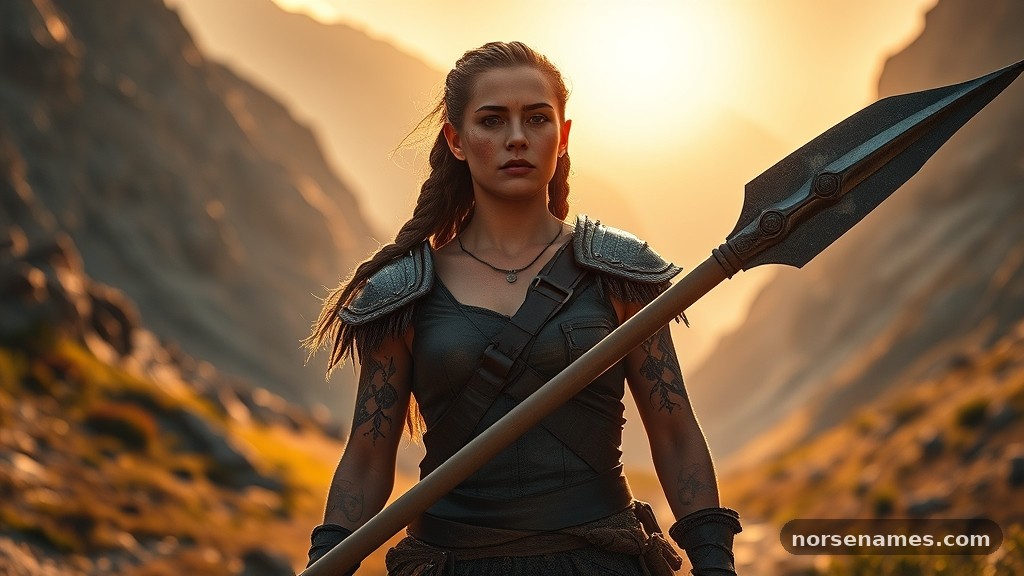
Female half-orcs often carry names that reflect their role as protectors or leaders within their communities. These names carry a certain dignity and weight, proving that beauty and brutality are not mutually exclusive. They often feature elongated vowels that sound almost like a war cry.
| Name | Meaning or Origin |
|---|---|
| Zora | Sunlight breaking through dark clouds. |
| Mhura | The deep, echoing earth of a canyon. |
| Kaelth | A blade forged in cold mountain air. |
| Vraka | One who stands against the tide. |
| Shara | The silence before the final charge. |
The Significance of Clan and Surnames
Surnames for half-orcs are rarely inherited in the traditional sense, as they are often forged through individual merit or bestowed by a clan leader to mark a specific achievement. A name like Stonebreaker suggests a history of manual labor or a penchant for siege warfare. These compound names serve as a shorthand for a character’s reputation, allowing others to instantly judge their potential utility or danger.
When generating these, look for words that represent elemental forces or physical objects common in the frontier. Words like Iron, Blood, Bone, and Storm are staples, but adding a descriptive verb like Crusher, Binder, or Walker can breathe new life into the combination. A surname can also be a point of shame or pride, depending on the circumstances of the character’s departure from their clan.
Perhaps they carry the name of a fallen house to keep its memory alive, or they have adopted a name that mocks the weakness of their enemies. Whatever the case, the surname acts as a anchor, grounding the character in a lineage, whether that lineage is real or something they have claimed for themselves.
Naming Conventions in Urban Settings
When a half-orc migrates to a city, their name often undergoes a transformation. They might shorten an overly long orcish name to make it more palatable to human ears, or they might adopt a surname that sounds distinctly imperial or trade-oriented. This process of assimilation is a common theme for those trying to make a living as mercenaries, guards, or artisans in a sprawling metropolis.
If you are using a half-orc name generator to create a character for a city-based campaign, consider how their name acts as a mask. A character named Thrak-Gor might go by “Thrak” in the local tavern to avoid drawing unnecessary attention. They might also take on a trade-based surname, such as Smith, Tanner, or Carter, to blend in with the working class.
This creates a fascinating tension between their public persona and their private heritage. The name becomes a tool for navigating the intricate social strata of a human city, where a name can determine whether you are welcomed into an inn or cast out into the alleyway.
The Influence of Tribal Dialects
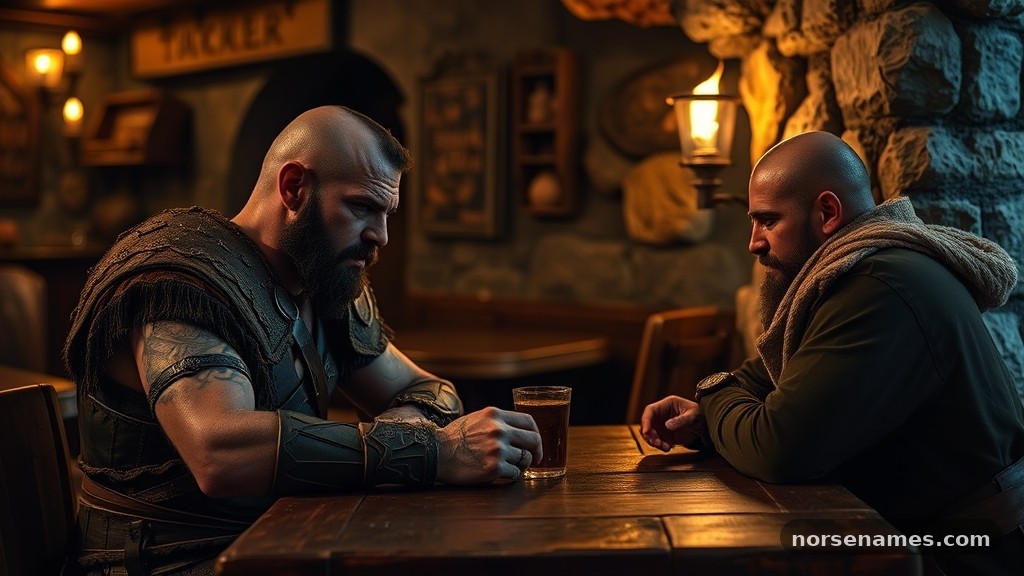
Orcish dialects are notorious for being harsh and guttural, featuring sounds that are difficult for many humans to replicate. Names derived from these dialects often include complex consonant clusters that feel heavy on the tongue. When you incorporate these into your naming process, you add a layer of authenticity to the character’s background.
Think about the way the sound changes depending on the speaker. A human merchant might struggle to pronounce a name like Ghrunth-Kahl, turning it into something softer and less accurate. This mispronunciation can be a source of frustration for the character or a point of quiet amusement.
Using these complex names also highlights the cultural divide between the two races. It serves as a constant reminder that the half-orc belongs to a world that most of their human companions will never fully understand. When creating these names, experiment with placing consonants together that usually don’t pair in common languages to achieve that distinctly alien, yet grounded, orcish feel.
Developing a Unique Identity
A name is not just a label; it is the first impression a character makes. If you want to make your character stand out, consider adding a title or an epithet that describes a defining characteristic or a past event.
For example, a character might be known as “Gorth the Scarred” or “Mura of the Three Rivers.” These additions provide immediate hooks for roleplay and conversation.
When you use a half-orc name generator, look for ways to personalize the result. Don’t be afraid to mix and match elements from different names to create something that feels truly yours. If you like the start of one name but the ending of another, combine them to see if they create a unique phonetic profile.
The goal is to find a name that feels right for the character’s personality and their specific place in your world. Remember that a name can evolve over time, changing as the character grows and experiences new challenges. A character might begin their story with a simple birth name and earn a more prestigious or fearsome moniker as they gain renown across the realm.
Frequently Asked Questions about half orc name generator Names
What makes a name sound distinctly orcish?
Orcish names typically prioritize heavy, guttural consonants like K, G, R, and T. They often use short, punchy syllables that reflect a direct and aggressive communication style. Avoid long, flowing vowels that are more common in elven or human naming conventions.
How do I choose between a traditional name and a human-inspired one?
The choice depends entirely on the character’s upbringing. If they were raised in an orcish tribe, a traditional, harsh name is appropriate. If they were raised in a human settlement, they might have a human name or a blend of both cultures to help them integrate into society.
Can a half-orc have a name that sounds elegant?
While rare, it is possible if the character was raised by a human noble or in a scholarly environment. Such a character might have a name that reflects their upbringing, perhaps even using a name from a high-culture lineage, which creates an interesting contrast with their imposing physical presence.
Should I use a surname for my half-orc character?
Surnames are not standard in all orcish cultures, so they are often earned or given based on deeds. Using a surname can indicate that the character has had significant contact with other cultures or has achieved a level of personal distinction that warrants a family or clan name.
The Power of a Well-Chosen Name
Crafting a character is a journey of discovery, and the name you choose acts as the first milestone on that path. By utilizing a half-orc name generator, you open up a world of linguistic possibilities that can ground your character in the lore of your setting. Whether you opt for a name that screams of battle or one that whispers of a hidden, softer side, ensure it reflects the complex duality of the character’s existence.
The right name invites players and readers alike to learn more about the individual behind the moniker. Take the time to experiment with different sounds and meanings until you find the perfect fit. Your half-orc is waiting for their identity, and with these tools, you are well-equipped to define their place in your story.
Keep iterating and refining, as the best names often come from a blend of careful planning and spontaneous inspiration. Happy worldbuilding, and may your characters leave an indelible mark on your campaign.