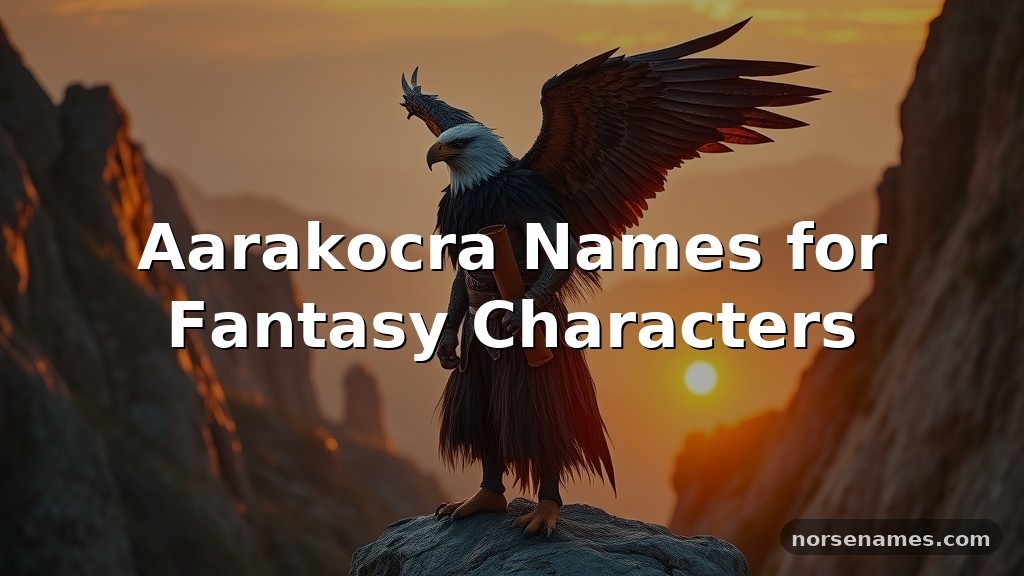

Choosing the right title for your avian hero can be as daunting as navigating a mountain storm. When you sit down to develop a character for your next campaign, the identity you assign them often dictates how they interact with the world below. Aarakocra names carry the weight of the winds and the sharp clarity of the high peaks, serving as a sonic anchor for your player.
By understanding the linguistic structure of these sky-born people, you bring a deeper layer of immersion to your table. Whether you need something melodic or harsh, this exploration into the nomenclature of the bird-folk will help you find the perfect fit for your next adventurer.
Famous Aarakocra Names From Literature and Games
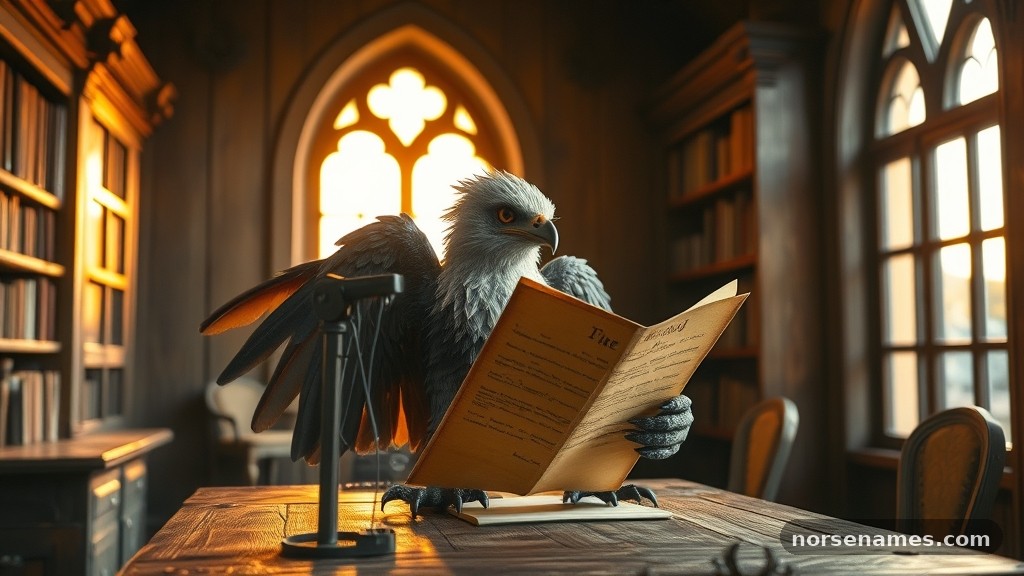
In the annals of high fantasy, certain figures have risen to prominence, their identities forever tied to the legends of the sky. Looking at established characters helps us understand how a name influences the perception of a bird-person in a narrative.
Take, for instance, the legendary Zephyr-Wing, a scout known for his blinding speed during the Great War of the Peaks. His name reflects his primary skill, signaling to allies and enemies alike that he is a creature of motion and swift justice.
Another prominent example is Kree-Aka, a mystic who guided several lost expeditions through the treacherous Cloudswept Spires. Her name uses the sharp, percussive sounds common to many avian dialects, emphasizing her authoritative presence. When you look at these figures, you notice a recurring theme where the phonetic structure mirrors the physical reality of the creature.
These characters are not just defined by their stats; they are defined by the way their names cut through the air, demanding attention. Studying these examples allows you to see how a moniker can embody both the history of a clan and the personal ambitions of the individual.
Cultural Naming Traditions of the Sky
The naming conventions of the aarakocra are deeply rooted in the harsh, thin air of their mountain homes. Unlike the sedentary races of the lowlands, these people prioritize sounds that can be heard over the whistling of high-altitude gales.
Names often mimic the vocalizations of raptors or the snapping of wings, serving as a functional tool for communication across vast distances. A parent might choose a name that sounds like the specific gust of wind heard during a hatchling’s first flight, creating a lifelong connection between the bird and the atmosphere.
Occupational titles frequently become part of the nomenclature as a character matures. A hunter might earn a secondary name related to their success in the field, eventually replacing their childhood designation entirely.
This fluid approach to identity means that a character’s name is never truly static; it evolves alongside their experiences in the world. For those interested in the linguistics of these creatures, the Online Etymology Dictionary provides excellent context on how naming conventions shift across cultures and species, which can serve as an inspiring reference for your own worldbuilding efforts.
Traditional Male Aarakocra Names
Male names in aarakocra society are typically characterized by strong, plosive consonants that denote strength and resilience. These identifiers are meant to project authority in a society where dominance is often determined by flight prowess and hunting skill. You will find that these names often sound somewhat harsh to human ears, reflecting the rugged nature of the mountainous terrain where they reside.
| Name | Phonetic Style | Cultural Significance |
|---|---|---|
| Kragor | Hard K-sounds | Associated with mountain stone |
| Vruk | Sharp, clipped | Common for scouts |
| Drakko | Deep, resonant | Often held by elders |
| Skree-Tar | Vocal mimicry | Refers to hunting technique |
| Zorkon | Gritty, heavy | Signifies endurance |
| Hrak-Thal | Double-barreled | Warrior lineage |
Graceful Female Aarakocra Names
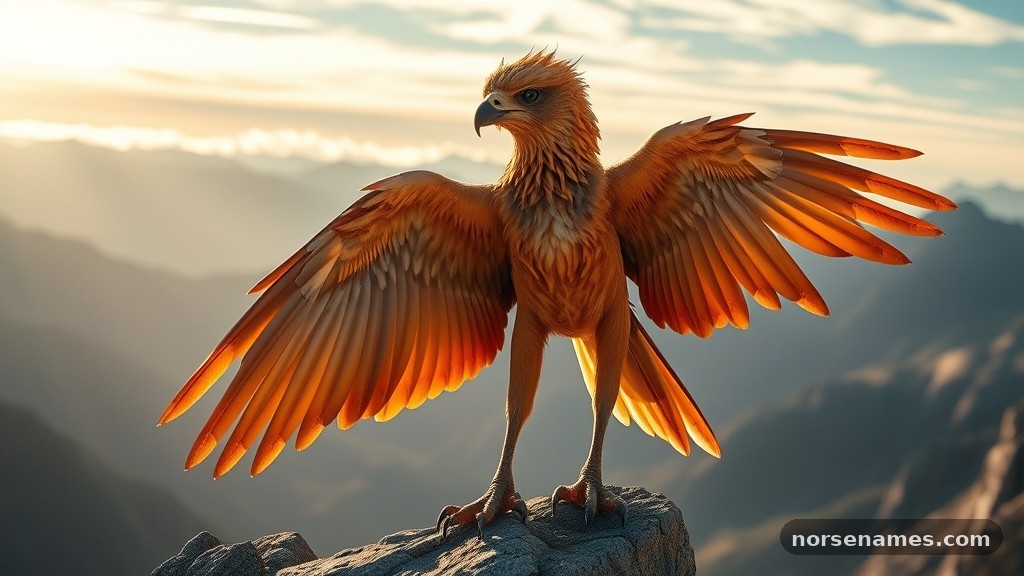
Female names tend to lean into the more melodic, sweeping sounds of the wind, favoring long vowels and softer transitions. While they still maintain the avian essence required for clarity in the sky, they often carry a sense of elegance and fluidity that contrasts with the heavier, more aggressive male naming patterns. These names evoke the image of a raptor circling on a thermal, perfectly balanced and watchful.
A-Ria, a name that suggests the vastness of the horizon, is often given to those who excel in navigation.
Sela-Vee, which mimics the whistle of air through feathers, is a common choice for those involved in diplomacy.
Kora-Lyn, denoting a spirit that is both sharp and swift, is frequently found among the clan’s scouts.
Mee-Ra, a short, piercing sound that cuts through the noise of a storm, is often reserved for those who lead the hunt.
Vee-La, which flows with the grace of a diving hawk, is a classic name representing wisdom and foresight.
Tora-Zin, a more complex name, suggests a history of great bravery and long-distance travel.
Short and Sharp Names for Scavengers
Scavengers often operate on the fringes of the flock, and their names reflect their opportunistic nature. These identifiers are usually very short, often only one or two syllables, designed for rapid communication when a prize is spotted from a great distance. You won’t find flowery language here; these are names designed for the harsh reality of survival.
Drek, a name that sounds like the snap of a twig, is perfect for a quick-moving thief.
Kik, a sharp, high-pitched sound, is ideal for a lookout who needs to alert the group instantly.
Zar, a guttural, short burst of sound, denotes a scavenger who isn’t afraid to fight for their meal.
Rek, a name that rolls off the tongue like a sudden drop, is common for those who specialize in aerial maneuvers.
Tuk, a percussive sound, is often used for those who spend their time foraging in the rocky crevices.
Vok, a blunt and heavy name, suits a scavenger with a thick beak and a stubborn temperament.
Names Derived From Aerial Phenomena
Many aarakocra draw inspiration for their names from the ever-changing weather patterns of their mountain homes. A child born during a particularly violent thunderstorm might be given a name that reflects the fury of the clouds, while one born on a clear, calm day might receive a name that evokes serenity. This practice connects the individual to the environment in a way that feels both spiritual and deeply practical for a race that lives at the mercy of the elements.
| Name | Weather Inspiration | Character Archetype |
|---|---|---|
| Storm-Call | Lightning and thunder | Aggressive magic user |
| Mist-Wing | Low-hanging clouds | Stealthy rogue or spy |
| Sun-Soar | Clear, bright skies | Optimistic explorer |
| Gale-Force | High-altitude winds | Strong, frontline warrior |
| Frost-Crest | Winter mountain air | Cold, calculating tactician |
| Cloud-Drift | Ethereal, slow movement | Patient, observant scout |
Clan and Surnames for Aarakocra
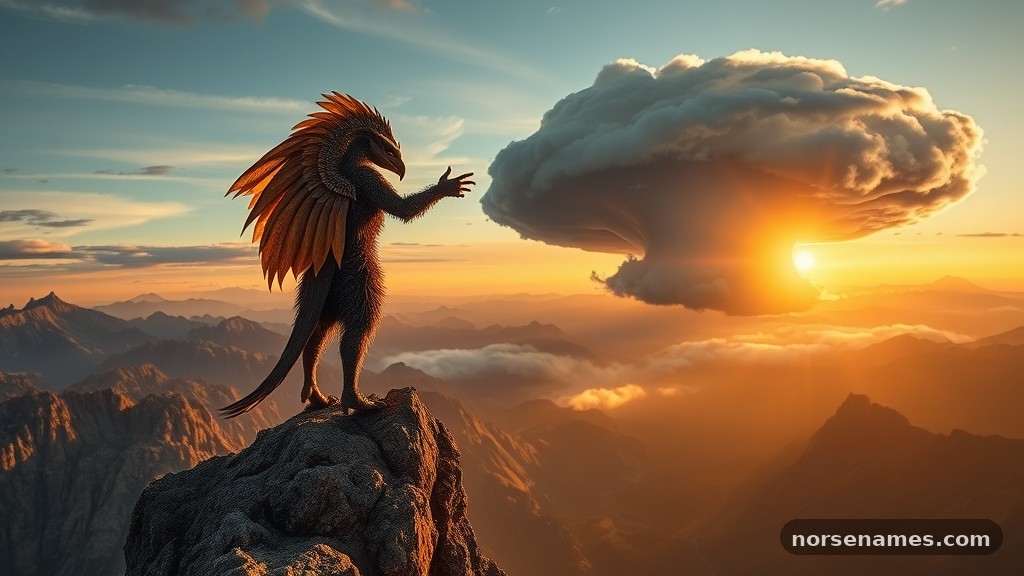
Surnames are rarely used in the traditional sense, but clan names serve as a vital indicator of lineage and territory. These names are almost always compound words, describing the specific geography or the primary activity of the clan. By using these descriptive titles, you immediately ground your character in a specific location or history, making them feel like a part of a larger, living society that exists beyond the immediate story.
Cloudbreaker, a clan known for their ability to fly through the most intense storms, is a prestigious name.
Stone-Watcher, a group that maintains the ancient mountain shrines, is often associated with wisdom.
Sky-Hunter, a clan of elite warriors, is feared across the neighboring territories for their precision.
Peak-Dweller, a name that denotes a clan living at the highest, most inaccessible altitudes, is seen as a sign of endurance.
Wind-Rider, a clan that specializes in long-distance travel and trade, is respected for their knowledge of the world.
Names for Elders and Clan Leaders
Leaders in aarakocra society are often given names that command respect and convey the weight of their years. These names are typically longer, more formal, and sometimes carry a sense of mystery or ancient power. When a character reaches the age of leadership, they may even adopt a new name to signify their transition from an individual to a pillar of the community, shedding their youth for a mantle of responsibility.
Aarak-Thon, a name that sounds like the rumble of distant thunder, is reserved for the most respected elders.
Vora-Keth, which suggests a sharp, piercing vision, is often held by those who guide the flock’s strategy.
Zora-Thal, a name that carries a sense of ancient history, is common among those who preserve the clan’s lore.
Kree-Zon, a powerful, resonant name, is often given to the primary commander of the aerial defenses.
Drak-Mora, a name that sounds both wise and dangerous, is held by the most seasoned diplomats.
Hroth-Aka, a name that implies immense strength and longevity, is the hallmark of a long-standing chieftain.
The Role of Sound in Aarakocra Linguistics
The auditory experience of speaking aarakocra names is essential to understanding the race. Their language is not meant to be spoken with the soft, rounded tones of human common, but rather with a series of clicks, chirps, and whistles. When you choose a name for your character, consider how it would sound if someone were trying to shout it over a gale-force wind.
Does it have the necessary bite? Does it cut through the air?
If you are trying to create unique names, try mixing these phonetic elements:
K, T, R, and S are excellent for conveying sharpness and speed.
V, L, and M offer a way to inject a bit of flow and grace into the name.
Double vowels can create a sense of breathiness, perfect for a character who is more at home in the clouds than on the ground.
Avoid overly complex, multi-syllabic names that are hard to pronounce quickly, as they don’t fit the functional nature of the culture.
Try saying the name out loud in a high-pitched, clipped tone to see if it feels natural for an avian creature.
Experiment with adding prefixes or suffixes that denote clan or status, like -ka or -thal, to see how it changes the feel of the base name.
Frequently Asked Questions about Aarakocra Names
How do I know if an aarakocra name is appropriate for my character?
The best way to judge a name is to consider your character’s background and personality. If your character is a fierce warrior, a name with hard, percussive sounds like ‘Kragor’ or ‘Vruk’ will fit perfectly. If your character is a scout or a diplomat, you might want something more melodic, like ‘A-Ria’ or ‘Sela-Vee’. Think about what your character values and what their role is in the flock; the name should reflect that.
Can aarakocra have human-style surnames?
Generally, no. Aarakocra society is built around the concept of the flock and the clan, so names are usually descriptive of one’s lineage, territory, or occupation rather than a family name passed down through generations. Using a human-style surname might make your character seem like an outsider or someone who has spent a significant amount of time living among other races, which could be an interesting backstory element.
Do aarakocra change their names as they grow older?
Yes, it is quite common for aarakocra to adopt new names as they transition through different stages of life or achieve new milestones. A childhood name might be replaced by a name that reflects a successful hunt, a heroic deed, or a position of leadership within the clan. This reflects the dynamic nature of their society and the importance of personal achievement over static identity.
Are there gender-neutral naming options for aarakocra?
While many names have a leaning toward one gender or another based on their phonetic structure, many aarakocra names are inherently neutral. Names that focus on weather patterns or natural phenomena, such as ‘Storm-Call’ or ‘Cloud-Drift’, are easily applied to any member of the flock. If you are looking for a neutral option, focusing on these descriptive, nature-based titles is a great way to ensure the name fits your character regardless of their gender.
Conclusion
Giving your character a name that resonates with the atmosphere and culture of the sky-born people is a powerful way to enhance your roleplaying experience. These names are more than just labels; they are a reflection of the environment, the history of the flock, and the individual’s role in the wider world. By carefully selecting sounds that evoke the sharpness of the peaks and the fluidity of the winds, you create a character that feels authentic and deeply connected to their origins.
As you move forward in your campaign, let the name you choose serve as a reminder of the vast, open skies your hero calls home. Don’t be afraid to experiment, adapt, and refine your selection until it feels exactly right for the story you are telling. Your journey in the clouds is just beginning, and a strong identity is the best place to start.