
Crafting authentic halfling names requires a deep appreciation for the humble, grounded spirit that defines these folk in any fantasy setting. Whether you are writing a sprawling epic or preparing for your next tabletop adventure, the nomenclature you choose provides the first glimpse into a character’s heritage and personality.
By drawing inspiration from linguistic roots that favor warmth, simplicity, and a connection to the earth, you can build a cast that feels genuinely lived-in. This exploration of naming conventions offers the tools to breathe life into your creations while ensuring they resonate with the classic tropes of the genre.
Famous halfling names From Literature and Games
The most iconic examples of fantasy literature often set the standard for what we expect when we hear a character’s name. Bilbo Baggins stands as the quintessential reference point, utilizing a double-syllable first name that sounds rhythmic and gentle, paired with a surname that evokes a sense of comfort and home.
This structure suggests a life of routine interrupted by adventure, which is precisely why it works so well for the archetype. Frodo, another pillar of the genre, uses a short, sharp phonetic structure that implies a certain youthful innocence, proving that shorter names are often more memorable for the audience.
In modern gaming, characters like Alfira from Baldur’s Gate 3 demonstrate how names can lean into a more melodic, bardic quality. Her name feels light and airy, perfectly suiting a character defined by music and emotional expression. These examples teach us that the most effective monikers often mirror the character’s primary craft or temperament.
When you select a name, consider how it sits on the tongue; if it feels too harsh or imperial, it might clash with the traditional, hearth-centered vibe that fans of the archetype expect. By balancing accessibility with a touch of whimsy, you ensure your characters feel like they belong in the world you are building.
Cultural Naming Traditions and Clan Structures
Halfling culture is rarely defined by grand, imperial lineages or complex dynastic records. Instead, their naming traditions are often rooted in the local geography and the specific trade or craft practiced by their ancestors. You will frequently find that families identify themselves by a landmark near their primary dwellings, such as a river, a hill, or a particularly sturdy grove of trees.
This creates a sense of belonging that feels deeply tied to the land, reinforcing the idea that these people are stewards of their small corner of the world. In many settings, a child might be given a name that honors a grandparent, keeping the cycle of memory alive within the village.
Social standing among these folk is rarely about wealth or titles, but rather about one’s contribution to the community. Consequently, nicknames are incredibly common and often replace formal names in casual conversation. A talented baker might be known as “Crumb,” while a skilled gardener could go by “Sprout.”
These monikers are rarely derogatory; rather, they serve as badges of honor that highlight a person’s unique value to their neighbors. When you develop your own naming systems, consider how the community might view a person’s role. A name that sounds like a job description can actually add a layer of realism to the social hierarchy of your fictional village.
Primary Masculine and Feminine Naming Conventions
When designing lists for your characters, it helps to categorize them by phonetic style to maintain consistency across the group. Feminine names often lean toward soft vowels and light, airy consonants that evoke a sense of grace and approachability.
Masculine names, by contrast, tend to carry a bit more weight with harder consonants at the end, though they rarely reach the aggressive sounds found in orcish or dwarven nomenclature. The goal is to keep them feeling approachable and distinct from the more rigid, formal names of high elves or the heavy, stone-forged names of mountain-dwelling warriors.
| Masculine Name | Feminine Name | Origin/Tone |
|---|---|---|
| Milo | Pippa | Classic, light, and nimble. |
| Tobin | Rosie | Earth-bound and friendly. |
| Cade | Elly | Short, punchy, and modern. |
| Finnian | Daisy | Celtic influence, floral. |
| Jory | Milly | Playful and rhythmic. |
| Willo | Tessa | Nature-inspired, subtle. |
Halfling names Surnames or Clan Names
Surnames in the halfling world act as a window into the family’s history, often blending two distinct words to create a descriptive compound that carries weight. These names usually reflect a specific deed, a family trait, or a geographic feature that the clan is associated with.
For instance, a family known for their resilience might carry the name Stonebreaker, while a group of particularly gifted hunters might be known as Swiftfoot. These compound names are fantastic for worldbuilding because they imply a backstory that you don’t necessarily have to write out in full; the name itself does the heavy lifting for you.
When you create these names, try to avoid overly dark or menacing imagery. Even a name like Ironfist, which sounds quite strong, can be softened in a halfling context to imply a stubborn but ultimately protective nature. The key is to maintain a balance between the mundane and the heroic.
You want your characters to sound like they could manage a farm or a shop, but also possess the inner grit to face down a monster if the situation demands it. By sticking to these compound structures, you create a sense of cohesion within the culture that makes the world feel established and authentic to the reader or player.
Nature-Inspired Nomenclature
The connection between these people and the natural world is a defining aspect of their identity. Many names are plucked directly from the flora and fauna that surround their homes, reflecting a life lived in harmony with the changing seasons.
Using names like Briar, Fern, or Hawthorn provides an immediate, visceral link to the woods and fields, signaling to the audience that this character is a child of the earth. These names feel organic and unpretentious, fitting perfectly with the modest, low-key lifestyle that is synonymous with the halfling experience.
You can also draw inspiration from seasonal shifts or weather phenomena to add variety to your lists. A child born during a particularly stormy harvest might be named Gale, or one with a bright, sunny disposition might be called Sunny. This practice highlights the superstitious yet pragmatic nature of these communities, where the circumstances of birth are often seen as a reflection of the child’s future spirit.
When utilizing these options, keep the sounds grounded; avoid overly exotic or flowery terminology. The charm of this style lies in its simplicity, making these names feel like they belong to a long-standing, rural tradition.
The Influence of Celtic and Norse Phonetics
While fantasy is its own beast, many writers find success by borrowing the rhythmic structures found in Celtic or Norse traditions. The melodic, flowing quality of Irish-inspired sounds can give your characters a whimsical, fey-touched quality that feels ancient and mysterious.
Conversely, the more structured, rhythmic patterns of Norse-influenced names can provide a sense of stability and historical weight. The trick is to take the phonetic spirit of these languages without directly lifting historical figures, as that can quickly break the immersion of your fantasy world.
If you find yourself struggling to find the right sound, consider looking at the etymological roots of words that signify small, clever, or earth-related concepts. By stripping away the modern layers and looking at the core sound of these words, you can synthesize names that feel like they have been part of the language for centuries.
This method is particularly effective for creating names that feel distinct from other races in your world. A halfling name should feel like a whisper of something older, a rhythmic echo of a life spent close to the roots of the world, rather than a loud, booming declaration of power.
Crafting Unique Names for Adventurers
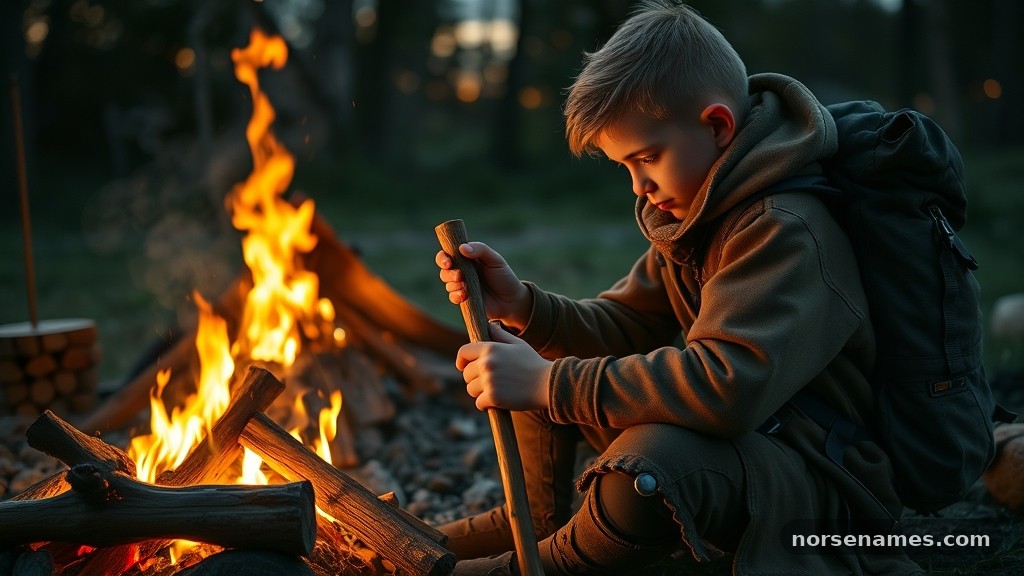
Adventurers are the outliers of their society, and their names should reflect that sense of departure from the norm. While a stay-at-home baker might have a very traditional, family-oriented name, an adventurer often picks up a moniker that reflects their specific talents or a defining moment in their travels.
Perhaps they are known by a nickname they earned while navigating a dangerous mountain pass, or they have adopted a name that sounds more exotic to better fit in with the diverse groups they encounter on the road. This transition from a home-name to an adventure-name is a great way to show character growth.
When generating these unique names, think about the contrast between their origin and their current path. A character named “Pip” who leaves his quiet farm to become a seasoned thief might eventually go by “Shadowstep.” This shift serves as a narrative device that marks their evolution.
You don’t need to overcomplicate the process; sometimes the most unique names are those that imply a story without telling it. Use these opportunities to inject a bit of mystery into your character’s backstory, giving the reader or player a reason to ask questions about who they were before they became the person standing in front of them.
The Role of Titles in Halfling Society
Titles are rarely used in the formal, stuffy sense that one might find in a human court. Instead, titles among these folk are functional, descriptive, and often quite humorous. You might find a town elder referred to as “The Keeper of the Kettle,” or a local guide known as “The One Who Knows the Way to the Creek.”
These titles serve to define a person’s role in the community while adding a layer of warmth and personality. They are less about authority and more about identity, showing that everyone has a part to play in keeping the village running smoothly.
If you are developing a specific region or town, consider creating a few unique titles that reflect the local culture. If the village is famous for its pies, perhaps the person in charge is called the “Master of the Crust.” This adds a wonderful, lighthearted touch that makes your world feel vibrant and distinct.
It also provides a great way to flesh out minor characters who might only appear once in your story. By giving them a title that is rooted in their daily life, you make them feel like a real part of the ecosystem, rather than just a faceless background element.
Geographic Naming Patterns
Geography plays an massive role in how families and individuals identify themselves. If your halflings live in a river valley, their names might reflect the flow of water, the reeds along the bank, or the fish that dwell in the depths. Those living in the high hills might have names that sound like shifting stones or the wind through the pines.
This geographic naming pattern helps the reader understand where a character comes from without needing a long, tedious description of their home village. It turns their name into a small, portable piece of their environment.
When you are designing these names, try to keep a consistent theme for specific regions. If all the characters from the “Green-Valley” area have names related to plants and soil, it creates a subtle sense of unity that the audience will pick up on subconsciously. This level of detail makes your world feel much more cohesive and planned.
You can even use this to contrast different groups; a group from the harsh, rocky north might have names that sound sharp and cold, while those from the fertile south have names that sound soft and lush. It’s a simple technique, but it adds an immense amount of depth to your world.
Frequently Asked Questions about halfling names
How can I ensure my names sound distinct from other races?
The secret lies in the phonetic balance of the words you choose. Avoid the harsh, guttural sounds associated with orcs or the overly complex, multi-syllabic structures often used for elves.
Instead, focus on soft vowels and light, rhythmic consonants. If a name feels like it could be whispered over a warm meal, it is likely a perfect fit.
Should I use a naming generator for my characters?
While generators can provide a quick spark of inspiration, they often lack the cultural context required for deep worldbuilding. Use them as a starting point, but always refine the results to ensure they fit the specific history and geography of your setting. A name is only as good as the lore behind it, so take the time to personalize whatever the machine suggests.
Are there rules for creating compound surnames?
There are no hard rules, but the best compound names usually pair a noun with a verb or an adjective. Think of words that describe the character’s environment or their role in society. Words like “Green,” “Stone,” “Swift,” or “Brook” combined with “walker,” “finder,” “maker,” or “field” create a classic, grounded feel that fits the genre perfectly.
How do I handle nicknames in a narrative?
Nicknames should be used to show character relationships and social standing. If a character is called by their birth name, it might indicate a formal or distant relationship.
If they are called by a nickname, it suggests familiarity and warmth. Use these shifts in address to show how a character’s relationships change as your story progresses.
Can I use real-world names for my fantasy characters?
It is generally better to avoid using very common, recognizable real-world names, as they can pull the reader out of the fantasy setting. Instead, look for older, perhaps archaic, or less common names that have a similar phonetic feel. This allows you to maintain the “classic” sound without accidentally naming your protagonist after a neighbor or a historical figure that doesn’t fit the vibe.
The Lasting Impact of Proper Naming
Ultimately, the act of naming is a fundamental part of the creative process that turns a blank page into a living, breathing world. By carefully selecting monikers that reflect the history, geography, and cultural values of your characters, you provide the audience with an anchor point that makes your story feel authentic.
Remember that these names are more than just labels; they are the threads that weave your characters into the tapestry of your setting. When you take the time to consider the sound, the meaning, and the origin of each choice, you are doing more than just filling a list.
You are building a legacy for your characters that will resonate long after your story has ended. Whether you are creating a simple village of gardeners or a traveling band of adventurers, the right name can provide that final, crucial piece of the puzzle. Keep exploring, keep experimenting with sounds, and do not be afraid to let your world’s culture inform every decision you make.
Your readers and players will appreciate the depth you have brought to the table, and your world will be all the richer for the thought you have invested in these small, essential details. Now, go forth and name your heroes with the care they deserve.