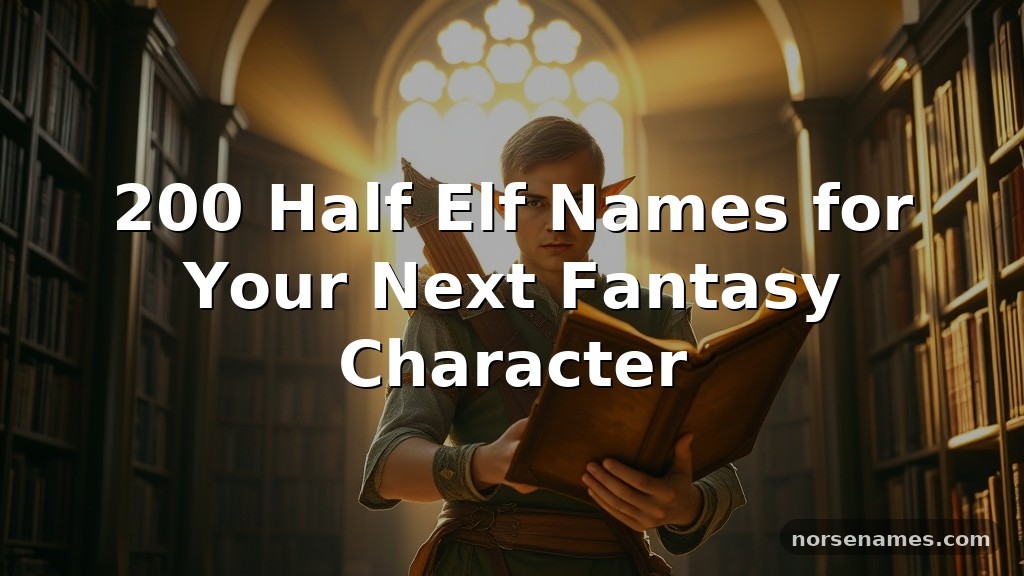

Finding the right moniker for a character who exists between two worlds is a challenge every writer faces. Because half-elves carry the grace of their elven heritage alongside the adaptability of humanity, their titles often reflect this delicate duality. Choosing from a collection of 200 half elf names allows you to ground your character in a specific cultural tradition while hinting at their unique background.
Whether you prefer the lyrical flow of the forest or the grounded nature of human tongues, selecting the right label helps define how the world perceives your hero. This resource provides a foundation for your creative journey, ensuring your character’s identity resonates with the depth of their ancestry.
Famous 200 Half Elf Names From Literature and Games
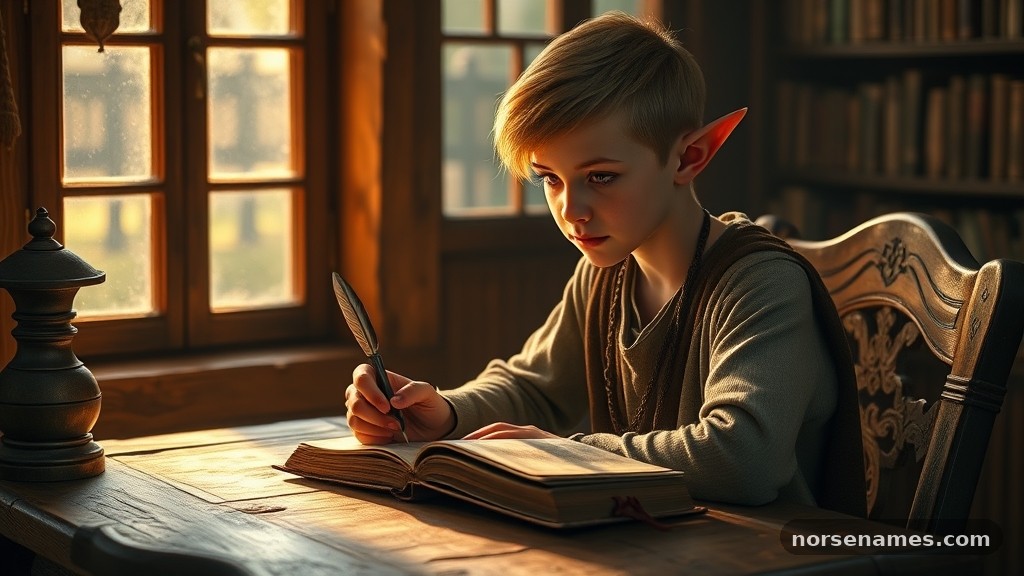
The influence of iconic figures shapes our understanding of what these characters represent in storytelling. Elrond from the legendarium created by J.R.R. Tolkien remains the most significant archetype for the half-elf experience.
His name carries the weight of ancient lineage, reflecting a choice between the immortality of the elves and the mortality of men. By examining his legacy, we see how a name acts as a bridge between ancestral pride and current duty.
Another prominent example is Tanis Half-Elven from the Dragonlance chronicles. His struggle to find belonging is mirrored in his name, which acts as a constant reminder of his dual origin. These characters show us that a name isn’t just a label; it is a narrative tool.
By selecting from lists of 200 half elf names, you can imbue your own creations with a similar sense of history and conflict. Understanding how these figures are perceived by others helps you craft a name that feels earned rather than merely assigned.
Traditional Masculine Titles
These names draw heavily from elven phonetics, often utilizing soft vowels and fluid consonants. They are frequently chosen by those who grow up in elven enclaves.
| Name | Origin |
|---|---|
| Aelric | Elven-Human Blend |
| Baelen | High Elven |
| Caelum | Ancient Elven |
| Daelon | Common Tongue |
| Elandor | Elven Roots |
| Faenor | Traditional |
| Gaerel | Coastal Elven |
| Haelen | Human-Influenced |
| Iael | Short-Form |
| Jaelen | Common |
Graceful Feminine Titles
Feminine naming conventions often prioritize elegance and musicality. These names are designed to sound light and ethereal, reflecting the beauty associated with elven heritage.
| Name | Origin |
|---|---|
| Aeliana | Elven-Human Blend |
| Belara | High Elven |
| Caela | Ancient Elven |
| Daelia | Common Tongue |
| Elowen | Elven Roots |
| Faera | Traditional |
| Gaerwyn | Coastal Elven |
| Haelia | Human-Influenced |
| Iara | Short-Form |
| Jaela | Common |
Warrior-Inspired Monikers
Warriors often adopt names that signify strength, endurance, and physical prowess. These titles sound sharper, featuring harder consonant sounds like K, T, and R to suggest a combat-ready persona.
| Name | Meaning |
|---|---|
| Kaelthas | Blade-Bearer |
| Torin | Iron-Heart |
| Raelan | Storm-Born |
| Vaelen | Shield-Guardian |
| Zael | Swift-Strike |
| Drakon | Dragon-Blooded |
| Maelor | Battle-Hardened |
| Thael | Steel-Will |
| Kaelen | War-Singer |
| Saelir | Bow-Master |
Noble and Aristocratic Titles
Noble families favor names that sound regal and refined. These are often multi-syllabic and carry an air of sophistication, suggesting a lineage that values history, politics, and social standing.
| Name | Status |
|---|---|
| Valerius | High-Born |
| Caelian | Courtier |
| Aurelion | Gilded |
| Lysander | Diplomat |
| Octavian | Patrician |
| Cassian | Noble-Blood |
| Alistair | High-Council |
| Julian | Governor |
| Thalric | Baron |
| Xander | Prince |
Nature-Connected Names
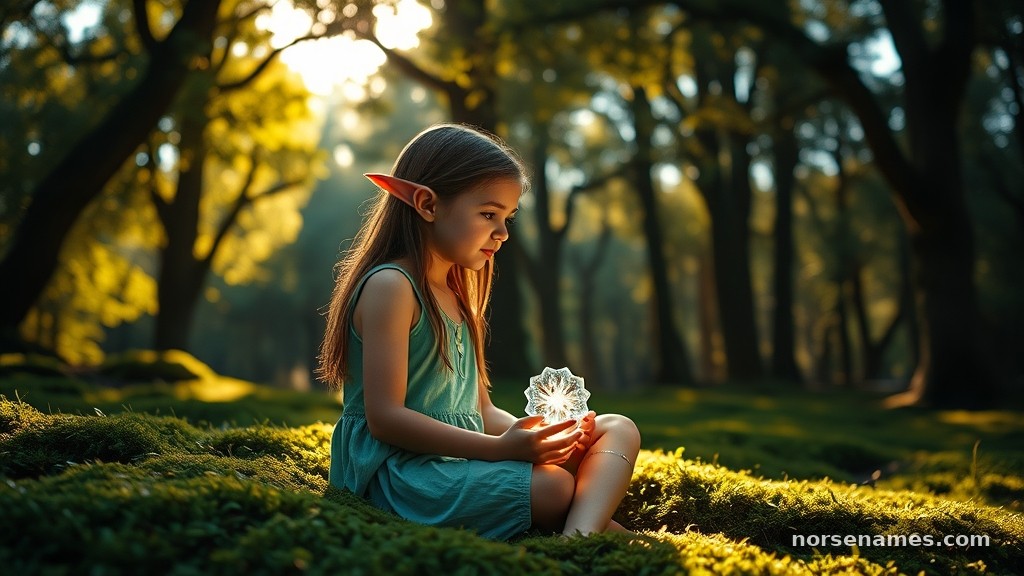
Many half-elves feel a deep pull toward the natural world. These names utilize botanical, celestial, or elemental imagery to reflect a bond with the forests, stars, or seas.
| Name | Association |
|---|---|
| Sylas | Forest-Dwellers |
| Liora | Moon-Light |
| Rowan | Tree-Spirit |
| Caelum | Star-Gazer |
| Maris | Sea-Born |
| Florian | Bloom-Bringer |
| Ash | Fire-Hardened |
| Willow | Graceful-Growth |
| Bramble | Wild-Ranger |
| River | Flowing-Path |
Arcane and Magical Titles
Characters who study the arcane often choose names that sound mysterious or ancient. These monikers frequently incorporate sibilant sounds or mystical vowels to evoke a sense of hidden knowledge.
| Name | Arcane Focus |
|---|---|
| Xylo | Spell-Weaver |
| Zora | Star-Reader |
| Vesper | Shadow-Mage |
| Ignis | Flame-Caller |
| Aether | Void-Walker |
| Nyx | Night-Vision |
| Solas | Light-Bringer |
| Erebus | Dark-Scholar |
| Magea | Rune-Scribe |
| Zenith | Peak-Power |
Common Human-Influenced Names
These names are practical and short, often indistinguishable from those found in bustling human cities. They reflect a character who has integrated fully into human society, perhaps hiding their elven heritage.
| Name | Common Usage |
|---|---|
| John | City-Dweller |
| Sarah | Merchant |
| Mark | Smith |
| Anna | Healer |
| Paul | Guard |
| Beth | Baker |
| Luke | Farmer |
| Jane | Scholar |
| Carl | Mason |
| Rose | Gardener |
Secret or Hidden Names
Some half-elves maintain two identities. These secret names are whispered only among kin or close friends, representing the part of themselves that they keep hidden from the wider world.
| Name | Meaning |
|---|---|
| Fael | Hidden-Truth |
| Mira | Whispered-Secret |
| Kael | Veiled-One |
| Sora | Sky-Bound |
| Vae | Lost-Echo |
| Irin | Silent-Watch |
| Jora | Mask-Wearer |
| Lian | Ghost-Walker |
| Dae | Shadow-Self |
| Rin | Secret-Keeper |
Cultural Naming Traditions
Cultural context is essential when choosing from 200 half elf names. In many fantasy settings, the naming convention follows the parent who holds the most social influence. If a child is raised in an elven city, they often receive a name that sounds melodic and incorporates traditional elven phonetics.
Conversely, those raised in human kingdoms might adopt names that sound more rigid or practical. This tension between two cultures often results in hyphenated names or the use of two distinct monikers—one for the public, one for the private.
Naming ceremonies also differ significantly. Elven cultures often wait until a child reaches a certain level of maturity or performs a significant deed before granting them an adult name. Humans, however, tend to assign names at birth.
A half-elf caught between these systems might experience a sense of displacement. Exploring the study of names, or onomastics, can provide deep insight into how societies value and categorize their members. When you build your world, consider whether your character feels pride in their dual heritage or if they struggle to find a name that truly fits their multifaceted identity.
Surnames and Clan Names
Surnames for half-elves are often compound words that describe an achievement, a family trait, or a geographic location. These names ground the character in their history and lineage.
| Surname | Description |
|---|---|
| Stonebreaker | Strong-Willed |
| Ironfist | Combat-Proven |
| Moonwhisper | Mystical-Lineage |
| Sunstrider | Adventurous |
| Oakheart | Resilient |
| Silverleaf | Elven-Heritage |
| Stormcaller | Elemental-Gift |
| Goldweaver | Prosperous |
| Frostwalker | Northern-Origin |
| Starseeker | Philosophical |
| Windrunner | Agile |
| Shadowstep | Stealthy |
| Emberglow | Warm-Natured |
| Riverbend | Geographic |
| Cloudwatcher | Dreamer |
| Ironwood | Sturdy |
| Brighteye | Observant |
| Deeproot | Traditional |
| Swiftfoot | Runner |
| Highcliff | Mountain-Dweller |
Frequently Asked Questions about 200 Half Elf Names
How do I choose the best name for a half-elf character?
The best approach is to consider your character’s upbringing. If they spent their formative years in an elven forest, a name with soft, melodic vowels is appropriate.
If they were raised in a bustling human city, a more grounded, practical name will help them blend in. Think about their aspirations and whether they embrace or reject their mixed heritage.
Can I combine elven and human naming styles?
Combining styles is a hallmark of the half-elf experience. Many authors use a traditional elven first name paired with a human-style surname to create a sense of balance. This helps emphasize the internal conflict and the unique position the character occupies in your world.
Are there specific rules for naming half-elves?
There are no universal rules, as every worldbuilder creates their own lore. However, consistency is key.
If you establish that your elves use specific phonemes, ensure your half-elf names reflect those patterns. Use your name generator to create a list of possibilities, then narrow them down based on the character’s personality.
Should I use a surname for my character?
Surnames add significant depth. They provide context about a character’s origin, family trade, or notable ancestors. If your character is a loner or a wanderer, they might have abandoned their family name, while a noble-born character would likely cling to theirs as a sign of status.
Conclusion
Selecting from a wide array of options helps you define your character’s place in your story. A name acts as the first piece of lore a reader encounters, setting the tone for the character’s journey and their internal struggles.
By thoughtfully picking from various categories, you ensure that your protagonist feels like a living, breathing entity rather than a static archetype. Remember that naming is a fluid process; you can always evolve a name as your character grows and changes throughout your narrative.
Use these lists as a starting point for your creative process. Whether you are crafting a hero for a tabletop campaign or a protagonist for a novel, the right label will help you anchor your vision.
Keep experimenting with different sounds and meanings until you find the perfect fit. Your world will become richer for the effort you put into these small but vital details.